
Syed Shayan Real Estate Archive
Syed Shayan Real Estate Archive
From Real Estate History
On This Date
On November 2, 1930, a passenger train crossed a newly constructed railway bridge over the Hackensack River in New Jersey, marking an important milestone in the development of railway infrastructure and urban transport connectivity in the United States.
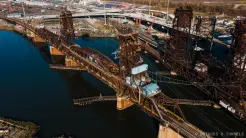
On November 2, 1930, a passenger train crossed a newly constructed railway bridge over the Hackensack River in New Jersey, marking an important milestone in the development of railway infrastructure and urban transport connectivity in the United States. The bridge was part of a major infrastructure project undertaken by the Pennsylvania Railroad to replace ageing railway crossings between Jersey City and Kearny, improving connections between New Jersey and the wider New York metropolitan area.
During the late 19th and early 20th centuries, New York and New Jersey had emerged as major industrial and commercial centres. Growing passenger and freight traffic placed increasing pressure on railway infrastructure, particularly where railway lines crossed navigable waterways. Older bridges over the Hackensack River created operational challenges for both trains and vessels. Engineers proposed modern vertical-lift bridges that could accommodate railway traffic while allowing larger ships to pass beneath when the central spans were raised.
Construction of the new passenger railway bridge began in late 1928. The structure was designed by the American engineering firm Waddell & Hardesty, which specialised in movable bridges and major transportation infrastructure. The passenger bridge measured approximately 2,950 feet in overall length, with a movable central span extending 331 feet. The design provided a navigational opening of approximately 166 feet for vessels travelling along the river. On November 2, 1930, engineers positioned the central span, weighing approximately 813 tons, using specially arranged barges and tugboats. The first passenger train crossed the new bridge the same day.
A separate bridge designed for freight railway operations was also constructed as part of the project and entered service on November 4, 1930. The two bridges were completed at a combined cost of approximately $9 million, with construction taking less than 22 months. The development represented more than a railway engineering achievement. It reflected the growing need to integrate passenger transport, freight movement and commercial shipping within rapidly expanding metropolitan regions. Improved railway crossings helped strengthen transport connections between industrial centres, residential communities and employment districts across the New York–New Jersey region. In 1962, the Port Authority of New York and New Jersey acquired the passenger railway bridge and associated infrastructure, which subsequently became part of the PATH rapid transit network serving commuters between the two states.
The project demonstrated how investment in transport infrastructure could address competing demands for mobility, trade and urban expansion.
Today, November 2, 1930, remains a reminder of the role that bridges, rail networks and coordinated infrastructure planning have played in shaping modern cities and supporting long-term regional development.
▪️Syed Shayan Real Estate Archive
▪ Reference(s):
On This Date
آج سے 96 سال قبل، 2 نومبر 1930 کو امریکہ کی ریاست نیو جرسی میں دریائے ہیکنسیک پر تعمیر کیے گئے ایک جدید ریلوے پل سے پہلی مسافر ٹرین گزری۔ اس منصوبے نے نیویارک کے گردونواح میں ریلوے رابطوں کو بہتر بنانے اور دریائی آمدورفت کے مسائل حل کرنے کی کوششوں میں اہم کردار ادا کیا۔
آج سے 96 سال قبل، 2 نومبر 1930 کو امریکہ کی ریاست نیو جرسی میں دریائے ہیکنسیک پر تعمیر کیے گئے ایک جدید ریلوے پل سے پہلی مسافر ٹرین گزری۔ اس منصوبے نے نیویارک کے گردونواح میں ریلوے رابطوں کو بہتر بنانے اور دریائی آمدورفت کے مسائل حل کرنے کی کوششوں میں اہم کردار ادا کیا۔
یہ پل پنسلوانیا ریل روڈ کے بڑے انفراسٹرکچر منصوبے کا حصہ تھا، جس کے تحت نیو جرسی کے جرسی سٹی اور کیرنی کے درمیان دریائے ہیکنسیک پر پرانے ریلوے پلوں کی جگہ جدید پل تعمیر کیے گئے۔ انیسویں صدی کے اختتام اور بیسویں صدی کے آغاز میں نیویارک اور نیو جرسی امریکہ کے اہم صنعتی اور تجارتی مراکز بن چکے تھے۔ اس دوران ریلوے کے ذریعے مسافروں اور سامان کی نقل و حمل میں مسلسل اضافہ ہو رہا تھا۔دریائے ہیکنسیک پر موجود پرانے پلوں کی ساخت اور محدود گزرگاہوں کے باعث بحری جہازوں اور ریلوے ٹریفک کو مشکلات پیش آتی تھیں۔ ان مسائل کے حل کے لیے ایسے پل تعمیر کرنے کا فیصلہ کیا گیا جن کے درمیانی حصوں کو اوپر اٹھایا جا سکے تاکہ بڑے بحری جہاز بھی گزر سکیں۔
نئے مسافر ریلوے پل کی تعمیر 1928 کے آخر میں شروع ہوئی۔ اس کا ڈیزائن امریکی انجینئرنگ فرم ویڈل اینڈ ہارڈیسٹی نے تیار کیا۔ پل کی مجموعی لمبائی تقریباً 2 ہزار 950 فٹ تھی جبکہ اس کا مرکزی متحرک حصہ 331 فٹ طویل تھا۔ اس نظام کے ذریعے دریائی جہازوں کے لیے تقریباً 166 فٹ چوڑی گزرگاہ دستیاب ہوئی۔ 2 نومبر 1930 کی صبح انجینئرز نے تقریباً 813 ٹن وزنی مرکزی حصے کو خصوصی کشتیوں اور ٹگ بوٹس کی مدد سے اپنی جگہ نصب کیا۔ اسی روز پہلی مسافر ٹرین نئے پل سے گزری۔ اس منصوبے کے ساتھ سامان بردار ٹرینوں کے لیے ایک علیحدہ پل بھی تعمیر کیا گیا، جو 4 نومبر 1930 کو فعال ہوا۔ دونوں ریلوے پلوں کی تعمیر پر مجموعی طور پر تقریباً 90 لاکھ امریکی ڈالر خرچ ہوئے اور تعمیراتی کام 22 ماہ سے بھی کم عرصے میں مکمل کیا گیا۔ ان پلوں کی تعمیر محض ریلوے نیٹ ورک کی توسیع نہیں تھی بلکہ یہ شہری ٹرانسپورٹ، صنعتی ترقی اور دریائی تجارت کے درمیان بہتر ہم آہنگی پیدا کرنے کی ایک اہم کوشش تھی۔
بعد کے برسوں میں نیویارک اور نیو جرسی کے درمیان ریل رابطوں کی اہمیت مزید بڑھ گئی۔ 1962 میں پورٹ اتھارٹی آف نیویارک اینڈ نیو جرسی نے مسافر ریلوے پل اور متعلقہ ٹریک حاصل کیے، جو بعد میں PATH مسافر ٹرانزٹ نظام کا حصہ بنے۔دو نومبر 1930 کا یہ واقعہ اس حقیقت کی یاد دلاتا ہے کہ شہروں کی ترقی میں پلوں، ریلوے لائنوں اور مربوط ٹرانسپورٹ نظام کی تعمیر بنیادی اہمیت رکھتی ہے۔
▪️ سید شایان ریئل اسٹیٹ آرکائیو
▪ حوالہ جات:

On 19 June 1921, the United Kingdom conducted its national census after delaying it from April because of widespread industrial unrest. The census recorded impo...
Read More →
On October 18, 2018, the Pakistani government extended tax amnesty benefits specifically to the construction sector to stimulate economic activity and address h...
Read More →
Days before the creation of Pakistan, the country’s Constituent Assembly held its inaugural session at the Sindh Assembly Building in Karachi on August 10, 1947...
Read More →
The Home Owners' Loan Corporation (HOLC) was established by law to provide lower interest (5 percent) loans to prevent foreclosures, and the first to be made at...
Read More →
On November 6, 1853, the French Emperor Napoleon III appointed Baron Georges Eugène Haussmann as Prefect of the Seine, launching one of the most transformative ...
Read More →
The acquisition of land for the Model Town Society was one of the most remarkable and spirited chapters in its early history. Dewan Khem Chand and his...

Between 1921 and 1924, the land for Model Town Lahore was acquired in successive phases. The process began in 1921, shortly after the establishment of...
No comments yet. Be the first to comment!