On This Date
Rome’s Teatro Costanzi Inaugurated on 27 November 1880
Financed by entrepreneur Domenico Costanzi, the purpose-built opera house connected private investment with architectural development. Its later public acquisition and renovation illustrate the changing ownership and management of cultural property.
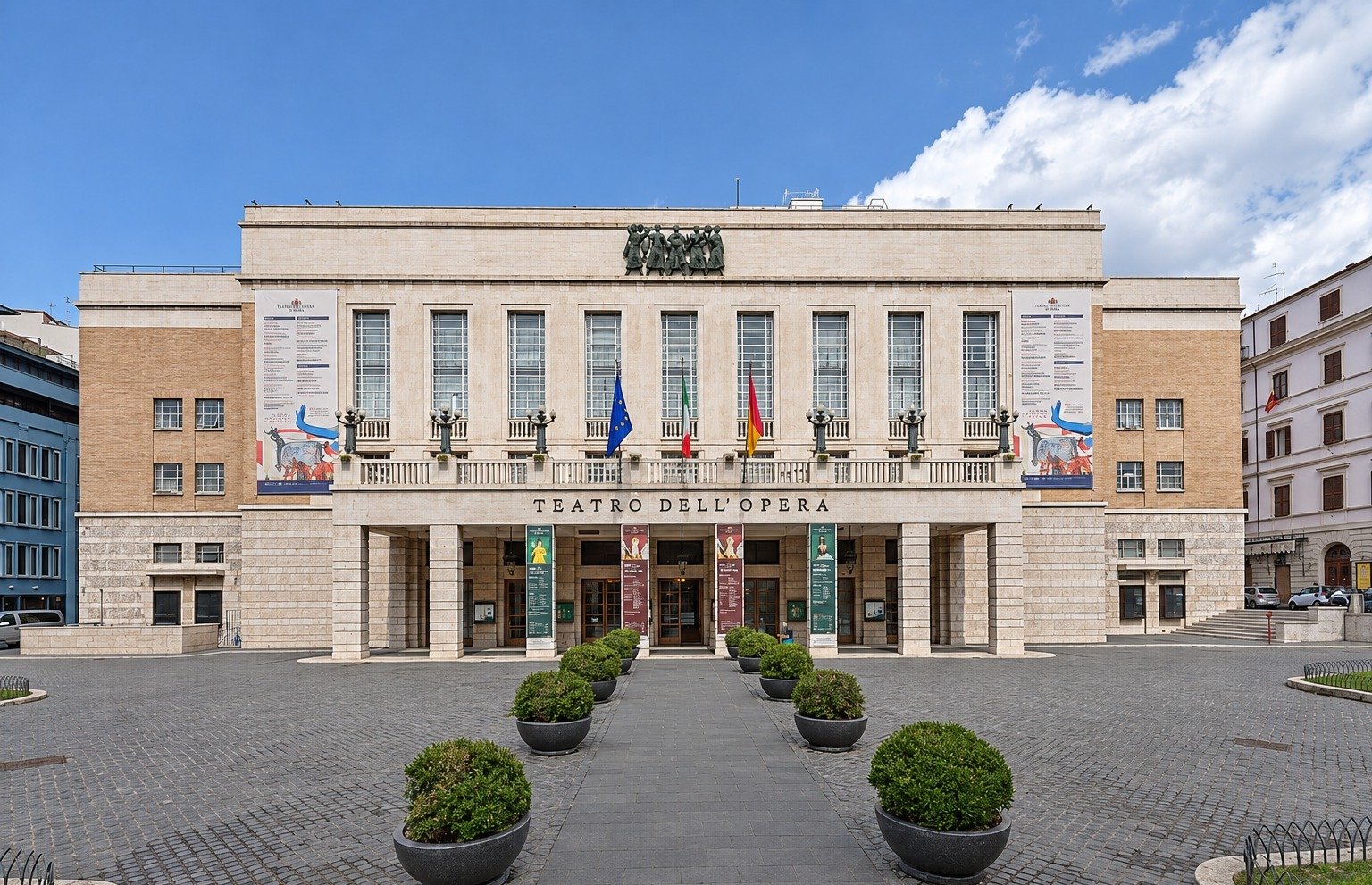
On 27 November 1880, Rome’s Teatro Costanzi was inaugurated with a performance of Gioachino Rossini’s Semiramide in the presence of Italy’s monarchs. The building, now known as Teatro dell’Opera di Roma, represented a privately financed addition to the capital’s cultural infrastructure. Its opening marked the completion of a property developed specifically for opera and ballet.
Private Investment and Architectural Design
Entrepreneur Domenico Costanzi commissioned Milanese architect Achille Sfondrini to design the theatre. Construction began in 1879 and took eighteen months. Rome’s official tourism account describes the building as Neo-Renaissance, with its design placing emphasis on acoustic performance.
The theatre’s institutional history records that Costanzi invested virtually his entire fortune in the undertaking. When the city initially declined to purchase it, he assumed responsibility for its management. The project therefore combined the financial risks of property development with the practical demands of running a performance venue.
Sfondrini treated the auditorium as a resonance chamber, using a horseshoe arrangement. The original interior included three tiers of boxes, an amphitheatre and a gallery, beneath a dome decorated with frescoes by Annibale Brugnoli.
Public Ownership and Building Adaptation
The property subsequently passed through different ownership arrangements. Rome’s municipal administration acquired the theatre in 1926, bringing the privately developed building into public ownership. Architect Marcello Piacentini undertook alterations, and the venue reopened on 27 February 1928 as Teatro Reale dell’Opera.
These changes distinguish the original construction anniversary from later redevelopment. The November 1880 opening concerns the first building campaign; subsequent purchases and renovations represent separate stages in the management of the same property.
The venue later became known as Teatro dell’Opera and underwent further modernisation. Its history demonstrates that retaining a cultural building’s function can involve substantial changes to its architecture and operating spaces.
The real estate connection extends beyond the investment. Ownership, maintenance and adaptation determine how a specialised building continues to accommodate public activity. Theatre properties bring these issues together because their physical arrangements must support both audiences and complex production requirements.
Teatro Costanzi’s inauguration therefore records the creation of a cultural property in Rome. Its subsequent development connects private construction, municipal acquisition and architectural intervention within a building retained for performance.
▪️Syed Shayan Real Estate Archive
▪ Reference(s):
On This Date
روم کے ٹیٹرو کوستانزی کا افتتاح 27 نومبر 1880 کو ہوا
کاروباری شخصیت دومینیکو کوستانزی کی سرمایہ کاری سے تعمیر ہونے والے اس اوپیرا ہاؤس نے نجی سرمائے کو تعمیراتی ترقی سے جوڑا۔ بعد میں اس کی سرکاری خریداری اور تزئین و آرائش ثقافتی عمارتوں کی بدلتی ملکیت اور انتظام کی عکاسی کرتی ہیں۔
27 نومبر 1880 کو اٹلی کے شاہی حکمرانوں کی موجودگی میں جواکینو روسینی کے اوپیرا ’’سیمیرامیدے‘‘ کی پیشکش کے ساتھ روم کے ٹیٹرو کوستانزی کا افتتاح ہوا۔ یہ عمارت، جو اب ٹیٹرو دیل اوپیرا دی روما کے نام سے معروف ہے، نجی سرمایہ کاری سے دارالحکومت کے ثقافتی بنیادی ڈھانچے میں ایک اضافہ تھی۔ اس کا افتتاح اوپیرا اور بیلے کے لیے خصوصی طور پر تعمیر کردہ عمارت کی تکمیل کا مرحلہ تھا۔
نجی سرمایہ کاری اور تعمیراتی ڈیزائن
کاروباری شخصیت دومینیکو کوستانزی نے میلان کے معمار اکیلے سفوندرینی کو تھیٹر کا ڈیزائن تیار کرنے کی ذمہ داری سونپی۔ تعمیر 1879 میں شروع ہوئی اور اٹھارہ ماہ میں مکمل ہوئی۔ روم کی سرکاری سیاحتی ویب سائٹ کے مطابق، عمارت نو احیائی طرزِ تعمیر کی حامل تھی، جس کے ڈیزائن میں آواز کی گونج اور واضح ترسیل پر خصوصی توجہ دی گئی۔
تھیٹر کی ادارہ جاتی تاریخ کے مطابق، کوستانزی نے اس منصوبے میں اپنی تقریباً پوری دولت لگا دی تھی۔ جب شہری انتظامیہ نے ابتدا میں اسے خریدنے سے انکار کیا تو انہوں نے اس کے انتظام کی ذمہ داری بھی سنبھال لی۔ یوں اس منصوبے میں جائیداد کی تعمیر و ترقی کے مالی خطرات کے ساتھ ایک پرفارمنس مرکز چلانے کے عملی تقاضے بھی شامل ہوگئے۔
سفوندرینی نے آڈیٹوریم کو آواز کی گونج کے لیے موزوں بنانے کی غرض سے گھوڑے کی نعل جیسی ترتیب اختیار کی۔ اصل اندرونی ساخت میں مخصوص نشستوں کے تین درجے، ایک ایمفی تھیٹر اور ایک گیلری شامل تھے۔ ان کے اوپر قائم گنبد کو انیبالے برونیولی کی دیواری مصوری سے آراستہ کیا گیا تھا۔
سرکاری ملکیت اور عمارت میں تبدیلیاں
بعد کے برسوں میں تھیٹر کی ملکیت مختلف ہاتھوں میں منتقل ہوئی۔ روم کی بلدیاتی انتظامیہ نے 1926 میں اسے خرید لیا، جس سے نجی سرمایہ کاری سے تعمیر شدہ یہ عمارت سرکاری ملکیت میں آگئی۔ معمار مارچیلّو پیاچینتینی نے عمارت میں تبدیلیاں کیں، جس کے بعد اسے 27 فروری 1928 کو ٹیٹرو ریالے دیل اوپیرا کے نام سے دوبارہ کھولا گیا۔
یہ تبدیلیاں اصل تعمیر کے افتتاح اور بعد کی تعمیرِ نو کے مراحل میں فرق واضح کرتی ہیں۔ نومبر 1880 کا افتتاح ابتدائی تعمیر سے متعلق ہے، جبکہ بعد کی خریداریوں اور تزئین و آرائش کا تعلق اسی جائیداد کے انتظام کے الگ مراحل سے ہے۔
بعد میں یہ مقام ٹیٹرو دیل اوپیرا کے نام سے معروف ہوا اور اسے مزید جدید بنایا گیا۔ اس کی تاریخ ظاہر کرتی ہے کہ کسی ثقافتی عمارت کا اصل استعمال برقرار رکھنے کے لیے اس کے طرزِ تعمیر اور عملی استعمال کی جگہوں میں نمایاں تبدیلیاں درکار ہوسکتی ہیں۔
رئیل اسٹیٹ سے اس عمارت کا تعلق ابتدائی سرمایہ کاری سے آگے بھی جاتا ہے۔ ملکیت، دیکھ بھال اور بدلتی ضروریات کے مطابق تبدیلیاں طے کرتی ہیں کہ مخصوص مقصد کے لیے تعمیر کردہ عمارت عوامی سرگرمیوں کے لیے کس طرح موزوں رہتی ہے۔ تھیٹر کی عمارت میں یہ تمام پہلو یکجا ہوتے ہیں، کیونکہ اس کی ساخت کو تماشائیوں کی سہولت اور اسٹیج پروڈکشن کی پیچیدہ ضروریات، دونوں پورے کرنا ہوتی ہیں۔
ٹیٹرو کوستانزی کا افتتاح روم میں ایک ثقافتی عمارت کے قیام کا تاریخی واقعہ ہے۔ اس کی بعد کی ترقی نجی تعمیر، بلدیاتی خریداری اور تعمیراتی تبدیلیوں کو ایک ایسی عمارت میں یکجا کرتی ہے، جس کا استعمال فنون کی پیشکش کے لیے برقرار رکھا گیا۔
▪️ سید شایان ریئل اسٹیٹ آرکائیو
▪ حوالہ جات:
No comments yet. Be the first to comment!