
Syed Shayan Real Estate Archive
Syed Shayan Real Estate Archive
From Real Estate History
On This Date
An international fundraising appeal financed the purchase of an 11,000-square-metre site and the construction of a permanent centre for treatment, research and teaching
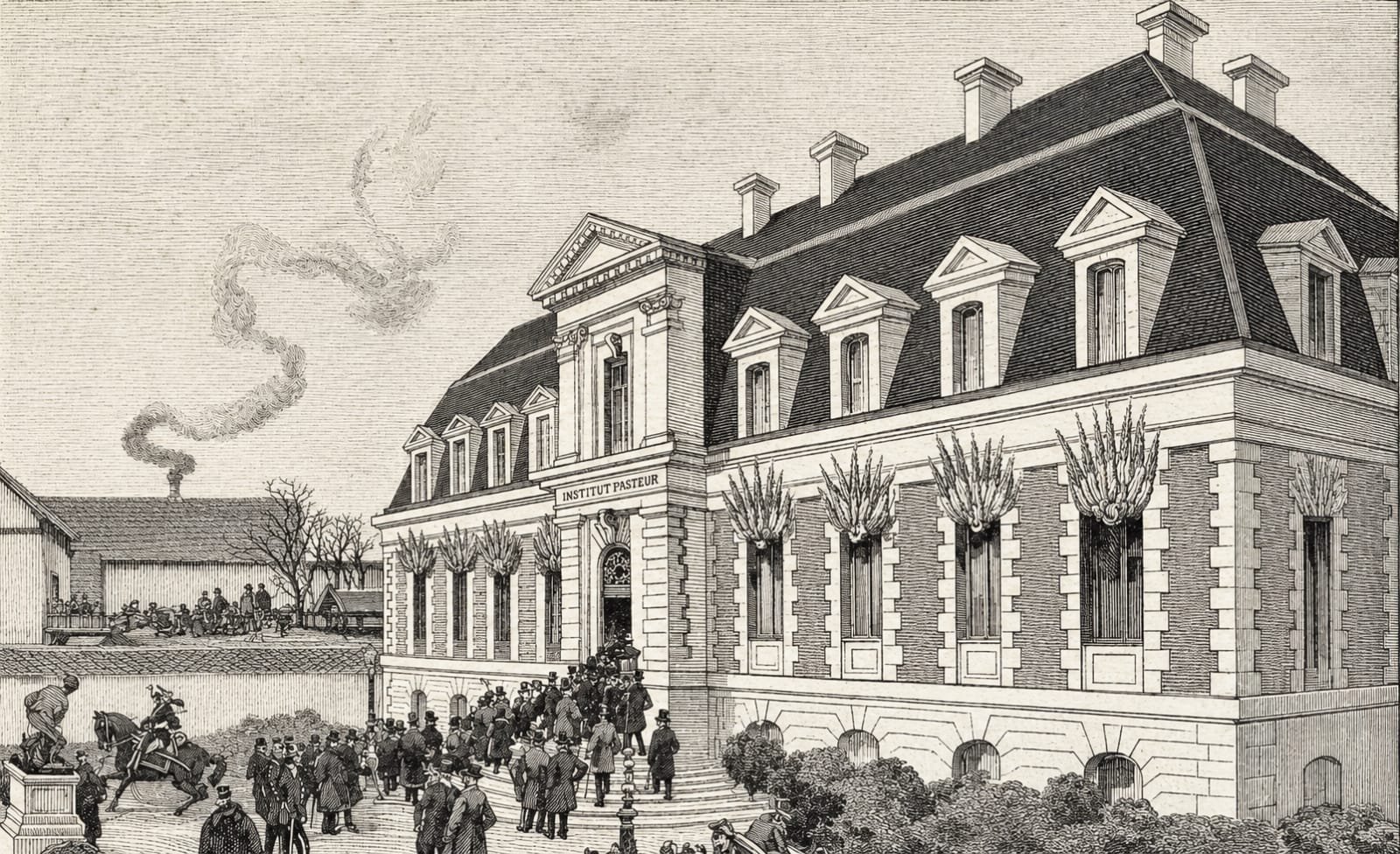
On 14 November 1888, French President Sadi Carnot inaugurated the first Institute Pasteur building in Paris, giving the institution established after Louis Pasteur’s work on rabies vaccination a permanent home. The brick-and-stone complex brought laboratories, a treatment department, classrooms and a private residence together on one site. The 138th anniversary falls on 14 November 2026.
The project took shape after Pasteur presented the results of early human rabies vaccinations to the French Academy of Sciences in March 1886. The academy launched an international appeal to finance a dedicated centre. As plans developed, the institute’s remit expanded to include research into infectious diseases and scientific instruction alongside treatment. The institute gained official charitable status in June 1887, the same month construction began.
Finding a site was an early challenge. Paris municipal authorities offered land on Rue Vauquelin that Pasteur was already using, along with an additional parcel. Pasteur declined the offer, expressing a preference for an independent facility. In March 1887, as donations approached two million gold francs, the project acquired an 11,000-square-metre site for 420,000 francs on Rue Dutot, now Rue du Docteur-Roux. The site, in what is now the 15th arrondissement, lay on the outskirts of Paris at the time.
The architect Petit drew up the plans and began construction in June 1887. Félicien Brébant took over after Petit died later that year. A central corridor linked the building’s two parallel wings. The exterior featured a Louis XIII-style brick-and-stone façade, with mansard roofs above the upper floors. An inscription on the front pediment recorded the year and commemorated the public fundraising appeal that financed the project.
One wing housed the Pasteurs’ apartment and Louis Pasteur’s laboratory, while the other contained spaces for treatment, research and teaching. The institute opened with five research laboratories and a rabies vaccination department. According to the institute’s historical account, about 600 guests attended the inauguration in its library, including government ministers, scientists and donors. Busts of major contributors stood around the podium.
Louis and Marie Pasteur moved into their purpose-built apartment in 1888. It occupied the first and second floors at the front of the south wing. Louis Pasteur spent his final years there before leaving for Marnes-la-Coquette in June 1895 as his health declined. He died there that September and was buried in a crypt on the institute grounds. France’s heritage register credits architect Charles Girault with designing the funerary chapel and Luc-Olivier Merson with its mosaic decoration.
The institute expanded in 1900. Donations from Madame Lebaudy and Baroness de Hirsch supported the addition of a hospital and a biological chemistry institute. France’s Ministry of Culture records that the hospital had 90 beds. The heritage register also identifies a greenhouse and administrative buildings among the additions from that period.
The apartment took on a public role decades later. In 1922, delegates from several countries and universities visited it during commemorations marking the centenary of Pasteur’s birth. Scientific instruments displayed in the rooms formed the basis of a museum collection. After Pasteur’s grandson decided to leave family furniture and belongings to the institute, the apartment was restored as closely as possible to its original appearance. It opened as the Pasteur Museum on 20 May 1936 displaying period furnishings and scientific objects.
On 13 November 1981, France classified the entire original building as a historic monument, including the crypt, library and museum. The buildings added in 1900 received a separate heritage listing under the same order. The Institute Pasteur says the museum is closed to the public until November 2028 while the historic building undergoes restoration and refurbishment.
The restoration plans include a new visitor route through the historic building, with additional space for exhibitions and educational activities. The apartment will form part of that route, allowing visitors to see how the original complex accommodated both the Pasteurs’ home and the institute’s scientific work.
▪️Syed Shayan Real Estate Archive
▪ Reference(s):
On This Date
عالمی سطح پر عطیات جمع کرنے کی مہم سے 11 ہزار مربع میٹر اراضی خریدی گئی اور علاج، تحقیق اور تدریس کے لیے مستقل مرکز تعمیر کیا گیا
14 نومبر 1888 کو فرانس کے صدر سعدی کارنو نے پیرس میں انسٹی ٹیوٹ پاسچر کی پہلی عمارت کا افتتاح کیا۔ ریبیز سے بچاؤ کی ویکسین پر لوئی پاسچر کی تحقیق کے بعد قائم ہونے والے اس ادارے کو یوں مستقل مرکز مل گیا۔ اینٹ اور پتھر سے تعمیر شدہ اس عمارت میں تجربہ گاہیں، شعبۂ علاج، تدریسی کمرے اور ایک رہائش گاہ قائم کی گئی۔ 14 نومبر 2026 کو اس عمارت کے افتتاح کے 138 برس مکمل ہوں گے۔
منصوبے کا آغاز مارچ 1886 میں ہوا، جب پاسچر نے فرانسیسی اکادمی برائے علوم کے سامنے انسانوں کو ریبیز سے بچاؤ کی ویکسین دینے کے ابتدائی نتائج پیش کیے۔ اکادمی نے ایک مستقل مرکز کے قیام کے لیے بین الاقوامی سطح پر عطیات کی مہم شروع کی۔
منصوبہ بندی کے دوران علاج کے ساتھ متعدی امراض پر تحقیق اور سائنسی تعلیم کو بھی ادارے کے مقاصد میں شامل کیا گیا۔ جون 1887 میں ادارے کو باضابطہ طور پر فلاحی حیثیت دی گئی اور اسی ماہ تعمیراتی کام شروع ہوا۔
منصوبے کے لیے موزوں جگہ کا انتخاب ابتدائی مراحل میں ایک اہم مسئلہ تھا۔ پیرس کی بلدیہ نے رو وُوکلیں پر وہ اراضی پیش کی جو پہلے ہی پاسچر کے زیرِ استعمال تھی۔ اس پیشکش میں ایک اضافی قطعہ بھی شامل تھا۔ پاسچر نے ایک خودمختار مرکز قائم کرنے کو ترجیح دی اور پیشکش قبول نہ کی۔ مارچ 1887 میں، جب عطیات کی رقم 20 لاکھ طلائی فرانک کے قریب پہنچ گئی، رو دوتو پر 11 ہزار مربع میٹر اراضی 4 لاکھ 20 ہزار فرانک میں خریدی گئی۔
یہ سڑک اب رو دو ڈاکٹر رو کے نام سے جانی جاتی ہے اور پیرس کے 15ویں انتظامی ضلع میں واقع ہے۔ اس وقت واژیرار کا یہ علاقہ شہر کے مضافات میں تھا۔
ماہرِ تعمیرات پُتی نے عمارت کا نقشہ تیار کیا اور جون 1887 میں تعمیر شروع کروائی۔ اسی سال ان کی وفات کے بعد فیلیسیاں بریباں نے کام سنبھالا۔ عمارت کے دو متوازی حصوں کو ایک مرکزی راہداری سے جوڑا گیا۔ اینٹ اور پتھر سے بنا بیرونی حصہ لوئی سیزدہم کے طرزِ تعمیر کی عکاسی کرتا ہے، جبکہ بالائی منزلوں پر مانسارڈ طرز کی ڈھلوان چھتیں بنائی گئیں۔ سامنے کے بالائی حصے پر درج کتبے میں سال اور تعمیر کے لیے عوامی عطیات کی مہم کا حوالہ دیا گیا۔
عمارت کے ایک حصے میں پاسچر خاندان کی رہائش گاہ اور لوئی پاسچر کی تجربہ گاہ تھی، جبکہ دوسرے حصے میں علاج، تحقیق اور تدریس کی سہولیات فراہم کی گئیں۔ افتتاح کے وقت ادارے میں پانچ تحقیقی تجربہ گاہیں اور ریبیز سے بچاؤ کی ویکسین دینے کا ایک شعبہ قائم تھا۔ ادارے کے تاریخی ریکارڈ کے مطابق، کتب خانے میں منعقدہ افتتاحی تقریب میں تقریباً 600 مہمان شریک ہوئے، جن میں وزرا، سائنس دان اور عطیہ دہندگان شامل تھے۔ نمایاں عطیہ دہندگان کے نیم قد مجسمے اسٹیج کے گرد رکھے گئے تھے۔
لوئی اور میری پاسچر 1888 میں اپنے لیے تعمیر کی گئی رہائش گاہ میں منتقل ہوئے۔ یہ عمارت کے جنوبی حصے کی پہلی اور دوسری منزل پر واقع تھی۔ لوئی پاسچر نے اپنی زندگی کے آخری برس یہاں گزارے۔ جون 1895 میں صحت بگڑنے پر وہ مارن لا کوکیت منتقل ہوگئے، جہاں اسی سال ستمبر میں ان کا انتقال ہوا۔ انہیں ادارے کے احاطے میں ایک زیرِ زمین مقبرے میں دفن کیا گیا۔ فرانس کے تاریخی ورثے کے رجسٹر کے مطابق، مقبرے سے ملحق عبادت گاہ کا ڈیزائن شارل ژیرو نے تیار کیا، جبکہ موزائیک کی آرائش لوک اولیویے میرسوں نے کی۔
ادارے میں 1900 میں توسیع کی گئی۔ مادام لوبودی اور بیرونس ڈی ہرش کے عطیات سے ایک ہسپتال اور حیاتیاتی کیمیا کا ادارہ قائم کیا گیا۔ فرانس کی وزارتِ ثقافت کے ریکارڈ کے مطابق، ہسپتال میں 90 بستروں کی گنجائش تھی۔ تاریخی ورثے کے رجسٹر میں اسی دور کی تعمیرات میں ایک گرین ہاؤس اور انتظامی عمارتوں کا بھی ذکر ہے۔
کئی دہائیوں بعد پاسچر کی رہائش گاہ عوامی دلچسپی کا مرکز بن گئی۔ 1922 میں پاسچر کی پیدائش کی صد سالہ تقریبات کے دوران مختلف ممالک اور جامعات کے وفود نے اس کا دورہ کیا۔ کمروں میں رکھے گئے سائنسی آلات بعد میں عجائب گھر کے ذخیرے کی بنیاد بنے۔ پاسچر کے پوتے نے خاندانی فرنیچر اور دیگر اشیا ادارے کو دینے کا فیصلہ کیا، جس کے بعد رہائش گاہ کو حتی الامکان اس کی اصل حالت میں بحال کیا گیا۔ 20 مئی 1936 کو پاسچر عجائب گھر کھولا گیا، جہاں اس دور کا فرنیچر اور سائنسی آلات نمائش کے لیے رکھے گئے۔
13 نومبر 1981 کو فرانس نے 1888 کی پوری عمارت کو تاریخی یادگار قرار دیا۔ اس تحفظ میں زیرِ زمین مقبرہ، کتب خانہ اور عجائب گھر بھی شامل ہیں۔ 1900 میں تعمیر کی گئی عمارتوں کو اسی حکم نامے کے تحت الگ سے تاریخی ورثے کی فہرست میں شامل کیا گیا۔ انسٹی ٹیوٹ پاسچر کے مطابق، تاریخی عمارت کی بحالی اور مرمت کے باعث عجائب گھر نومبر 2028 تک عوام کے لیے بند ہے۔
بحالی کے منصوبے کے تحت تاریخی عمارت کے اندر زائرین کے لیے ایک نیا راستہ بنایا جائے گا، جبکہ نمائشوں اور تعلیمی سرگرمیوں کے لیے اضافی جگہ مختص کی جائے گی۔ پاسچر خاندان کی رہائش گاہ بھی اس راستے کا حصہ ہوگی۔ عجائب گھر دوبارہ کھلنے پر زائرین دیکھ سکیں گے کہ اصل عمارت میں ایک ہی مقام پر رہائش اور سائنسی تحقیق کے لیے جگہ کیسے فراہم کی گئی تھی۔
▪️ سید شایان ریئل اسٹیٹ آرکائیو
▪ حوالہ جات:

The Kilmarnock and Troon Railway officially opened in Ayrshire, Scotland. It is widely regarded as Scotland’s first public railway line and one of the early tra...
Read More →
On 29 December 1845, Texas formally became the twenty eighth state of the United States. This event was not merely a political decision. It marked an extraord...
Read More →
On October 22, 1963, groundbreaking condominium legislation was enacted, creating the legal framework for individual ownership of units within multi-story resid...
Read More →
The Land Charges Act 1972 received Royal Assent in the United Kingdom on August 9, 1972, establishing a consolidated legal framework governing the registration ...
Read More →
October 7, 2008 stands out as an important date in global financial and real estate history, as the financial systems of the United States and other major econo...
Read More →
The acquisition of land for the Model Town Society was one of the most remarkable and spirited chapters in its early history. Dewan Khem Chand and his...

Between 1921 and 1924, the land for Model Town Lahore was acquired in successive phases. The process began in 1921, shortly after the establishment of...
No comments yet. Be the first to comment!