
🔲 Public Inquiry Series | Episode 2
How Will Pakistan Fix Its Electricity System?
The most common question people ask about electricity bills is this: if electricity consumption is low in a given month, why does the bill still remain high?
The main reason electricity bills remain high even when consumption is low is that the bill does not only include the price of the electricity units actually used. It also includes fixed charges and capacity payments. Because of this structure, bills can remain high even when the number of units consumed is relatively small.
You may ask what fixed charges and capacity payments actually mean. The answer is fairly straightforward.
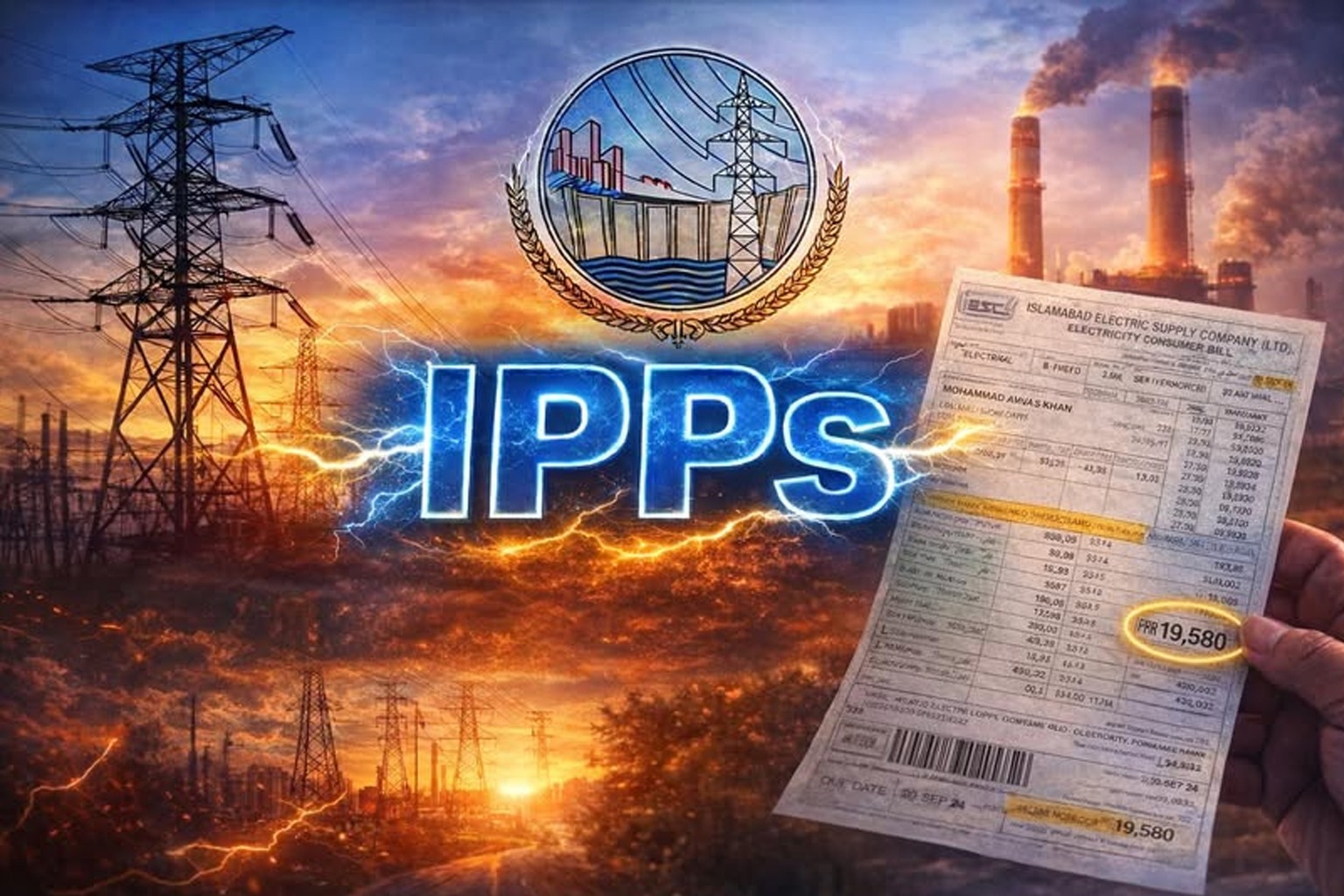
In Pakistan, the payments the government makes to private electricity producers, known as Independent Power Producers (IPPs), generally consist of two components.
1. Capacity Payments
These are payments made simply to ensure that a power plant remains available and ready to generate electricity at any time, whether electricity is actually purchased from it or not. In the last fiscal year alone, the government paid approximately PKR 1,800 billion under this head.
2. Fuel Payments for Electricity Generation
When a power plant actually generates electricity, the government must pay for the fuel used in the process, such as gas, furnace oil, or coal. Under this category, the government pays power producers roughly PKR 1,200 billion annually.
As a result, the total annual payments to power plants amount to approximately PKR 3,000 billion.
What is particularly striking is that capacity payments form the larger share, about PKR 1,800 billion, while the cost of fuel used for actual electricity generation is around PKR 1,200 billion.
In other words, less money is spent on producing electricity, while more money is spent simply on keeping power plants available. It is almost as if we are maintaining a large white elephant that is seldom used but must be continuously fed.
Pakistan’s peak electricity demand usually ranges between 26,000 and 30,000 megawatts, while in winter it falls to around 20,000 to 22,000 megawatts. In contrast, the country’s total installed generation capacity has already reached approximately 43,000 to 45,000 megawatts.
This means Pakistan currently has about 15,000 to 17,000 megawatts of surplus capacity that is not always required. Nevertheless, the country must continue paying for it because long term agreements have already been signed with IPPs.
Since most of these contracts are typically signed for around thirty years, it is estimated that the agreements for different power plants in Pakistan will gradually expire between 2030 and 2045. In other words, Pakistan will not be fully free from the burden of these contracts on electricity bills until around 2045.
(Article continues. The remaining discussion will appear in the next episode.)