
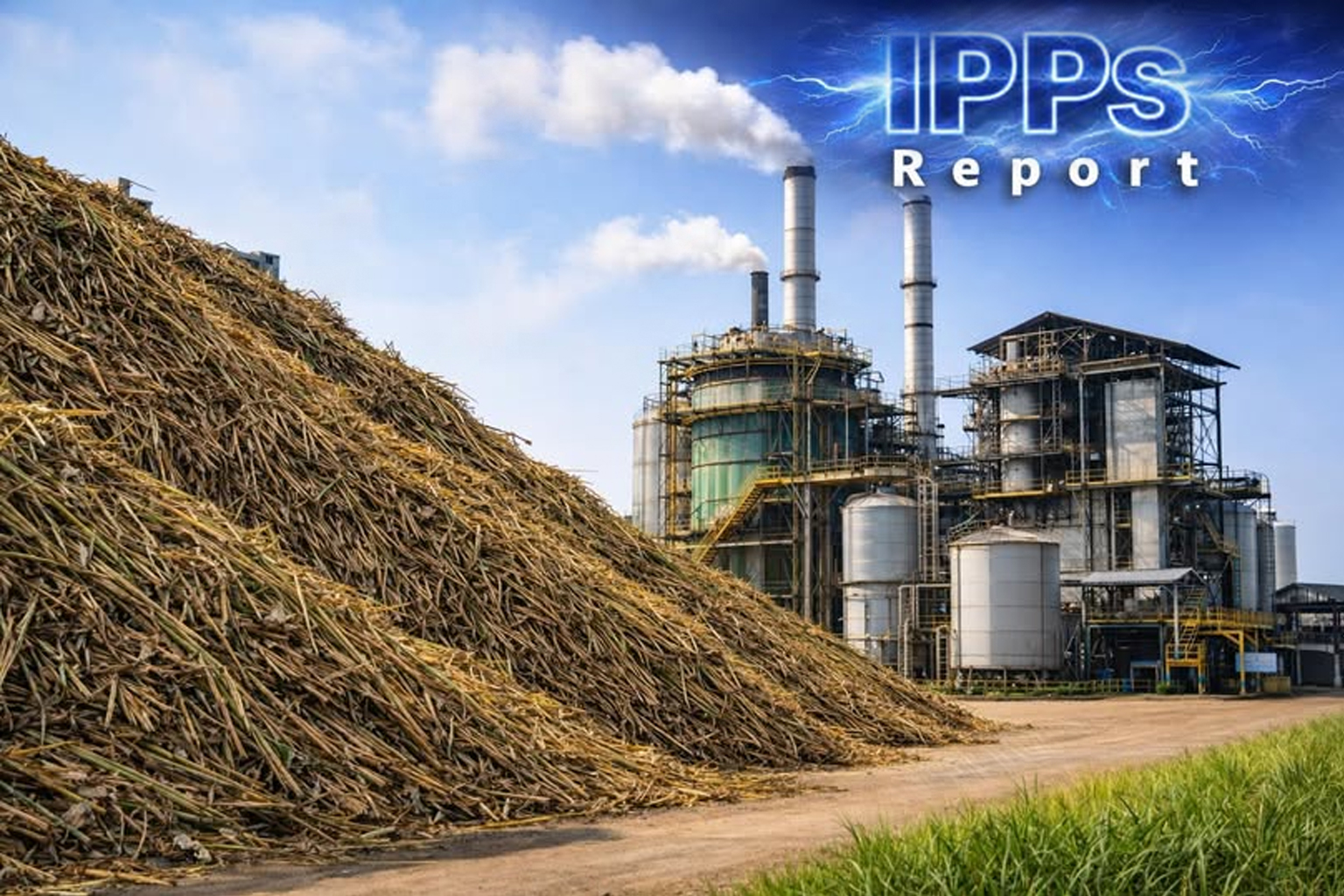
How Will Pakistan’s Power System Be Fixed? (Episode 8)
If power plants running on bagasse from sugar mills in Pakistan are also paid in dollars, then the country is heading toward serious economic distress.
▫
Last year, due to lower sugarcane production, electricity generation declined and was not supplied to the national grid. Yet capacity payments were still made, while the electricity continued to be consumed within the mills themselves.
▫
It is often argued that in the absence of bagasse, coal would have to be imported. By this logic, even local agricultural waste has effectively been priced at the level of imported coal.
▫
Consumers are willing to pay for the electricity units they consume, but not for the burden of non transparent contracts. The government must decide whether it prioritises the interests of a few or the welfare of 260 million citizens who are currently suffering under the weight of high electricity bills.
In this episode, we examine bagasse based power plants and the IPPs associated with them.
The concept of electricity generation from bagasse in Pakistan formally emerged after the Cogeneration Policy of January 2008, when the government allowed sugar mills to supply surplus electricity to the national grid. Bagasse is considered an important local source of biomass energy, enabling sugar mills to meet their internal energy needs while also generating surplus electricity as Independent Power Producers and supplying it to the national grid.
Before this, sugar mills used bagasse only for internal consumption, and there was no concept of exporting surplus electricity. This shift came with modern cogeneration systems and high pressure boilers, gained momentum after the 2008 policy, and between 2013 and 2015 these plants began supplying electricity to the national grid.
Pakistan currently has approximately 89 operational sugar mills. Of these, around 9 large and active bagasse based plants are connected to the national grid. These few bagasse based IPPs are the ones consistently supplying electricity to the grid and are significantly included in the capacity payment framework, while the remaining mills either operate on a limited scale or use bagasse solely for internal consumption.
For the fiscal year 2024 25, the government paid approximately Rs 6.9 billion in capacity payments to these 9 bagasse based power plants. Capacity payments are made to ensure that power plants remain available to supply electricity whenever required, regardless of whether electricity is actually purchased.
In this episode, we examine bagasse based power plants and the IPPs associated with them.
The concept of electricity generation from bagasse in Pakistan formally emerged after the Cogeneration Policy of January 2008, when the government allowed sugar mills to supply surplus electricity to the national grid. Bagasse is considered an important local source of biomass energy, enabling sugar mills to meet their internal energy needs while also generating surplus electricity as Independent Power Producers and supplying it to the national grid.
Before this, sugar mills used bagasse only for internal consumption, and there was no concept of exporting surplus electricity. This shift came with modern cogeneration systems and high pressure boilers, gained momentum after the 2008 policy, and between 2013 and 2015 these plants began supplying electricity to the national grid.
Pakistan currently has approximately 89 operational sugar mills. Of these, around 9 large and active bagasse based plants are connected to the national grid. These few bagasse based IPPs are the ones consistently supplying electricity to the grid and are significantly included in the capacity payment framework, while the remaining mills either operate on a limited scale or use bagasse solely for internal consumption.
For the fiscal year 2024 25, the government paid approximately Rs 6.9 billion in capacity payments to these 9 bagasse based power plants. Capacity payments are made to ensure that power plants remain available to supply electricity whenever required, regardless of whether electricity is actually purchased.
▫
The details of Pakistan’s 9 bagasse based power plants are as follows:
1. JDW Unit II Power Plant
Sadiqabad District Rahim Yar Khan Punjab
Capacity 26.6 MW bagasse based cogeneration IPP
Ownership JDW Group Jahangir Khan Tareen
Shareholders and Management
This plant is part of JDW Sugar Mills Limited. Makhdoom Syed Ahmed Mahmood serves as Chairman of the Board, while Jahangir Khan Tareen is the founder and major shareholder. It has been supplying electricity to the national grid through CPPA G since 2014.
2. JDW Unit III Power Plant
Ghotki
Capacity 26.35 MW
Ownership JDW Group Jahangir Khan Tareen
Shareholders and Control
This plant is part of JDW Sugar Mills Unit III and is controlled by Jahangir Khan Tareen and Ali Khan Tareen.
3. RYK Mills Power Plant
Rahim Yar Khan
Capacity approximately 30 MW
Ownership and Control
This project operates under a consortium model. Makhdoom Omer Shehryar holds approximately 33.5 percent as a sponsor director. Moonis Elahi holds approximately 13.9 percent, while ME Capital Pvt Limited holds around 27.4 percent. Tehreem Elahi holds approximately 7.4 percent and 31 A Estates Limited holds around 7.5 percent.
4. Chiniot Power Limited
Jhang Road Chiniot Punjab
Capacity 62.4 MW bagasse based cogeneration IPP
Ownership Chiniot Power Limited Sharif Group Suleman Shehbaz Sharif
Shareholders and Management
This project is part of the Sharif Group and is linked with Ramzan Sugar Mills. According to PACRA records, Suleman Shehbaz Sharif serves as Chairman and Chief Executive Officer. It supplies electricity to the national grid through CPPA G or NTDC and is considered one of the prominent IPPs in the sugar sector.
5. Shah Taj Sugar Mills Power Plant
Mandi Bahauddin Punjab
Capacity approximately 32 MW bagasse based cogeneration IPP
Ownership Shah Nawaz Group
Shareholders and Control
Shah Taj Sugar Mills Limited is part of the Shah Nawaz Group. Tauqeer Nawaz serves as Chairman and Muneer Nawaz as Chief Executive, while Samia Shahnawaz Idris is also on the board. The plant supplies electricity to the national grid. The group’s other businesses include Shahnawaz Motors and Shezan Bottlers.
6. Chanar Energy Limited
Tandlianwala Pindi Bhattian District Hafizabad Punjab
Capacity 22 MW bagasse based cogeneration IPP
Ownership and Control
Chanar Energy Limited is owned by the Kiani family, with Javed Ahmad Kiani holding approximately 60 percent shares and overall management control. The plant is attached to Chanar Sugar Mills and began commercial operations in 2019.
7. Almoiz Industries Power Plant
Dera Ismail Khan Khyber Pakhtunkhwa
Capacity 36 MW bagasse based high pressure cogeneration IPP
Ownership Almoiz Industries Group
Shareholders and Control
Qaiser Shamim Khan serves as Chairperson, Muhammad Shamim Khan as Chief Executive, and Nauman Ahmad Khan as Managing Director. The plant supplies electricity to the national grid. The group also operates in beverages, textiles, and steel.
8. Thal Industries Corporation Limited TICL Layyah Sugar Mills
Layyah Punjab
Capacity approximately 41 to 45 MW bagasse based high pressure cogeneration IPP
Grid export approximately 20 to 22.5 MW
Ownership Thal Industries Corporation Limited Shamim Khan family
Shareholders and Control
Managed by Qaiser Shamim Khan, Muhammad Shamim Khan, Nauman Ahmad Khan, and Adnan Ahmad Khan. The plant meets internal needs and exports surplus electricity to the national grid.
9. Hamza Power Limited Hamza Cogen Power Plant
Khanpur District Rahim Yar Khan
Capacity 60 MW bagasse based high pressure cogeneration IPP
Ownership Hamza Power Limited Hamza Sugar Mills Limited
Shareholders and Control
This project is associated with the Tayyab Group of Industries and supplies electricity to the national grid as an IPP.
This review identifies 9 companies, while NEPRA and CPPA G records mention 8, indicating a discrepancy that warrants further investigation.
Now I turn to the fundamental questions that arise from this report.
1. JDW Unit II Power Plant
Sadiqabad District Rahim Yar Khan Punjab
Capacity 26.6 MW bagasse based cogeneration IPP
Ownership JDW Group Jahangir Khan Tareen
Shareholders and Management
This plant is part of JDW Sugar Mills Limited. Makhdoom Syed Ahmed Mahmood serves as Chairman of the Board, while Jahangir Khan Tareen is the founder and major shareholder. It has been supplying electricity to the national grid through CPPA G since 2014.
2. JDW Unit III Power Plant
Ghotki
Capacity 26.35 MW
Ownership JDW Group Jahangir Khan Tareen
Shareholders and Control
This plant is part of JDW Sugar Mills Unit III and is controlled by Jahangir Khan Tareen and Ali Khan Tareen.
3. RYK Mills Power Plant
Rahim Yar Khan
Capacity approximately 30 MW
Ownership and Control
This project operates under a consortium model. Makhdoom Omer Shehryar holds approximately 33.5 percent as a sponsor director. Moonis Elahi holds approximately 13.9 percent, while ME Capital Pvt Limited holds around 27.4 percent. Tehreem Elahi holds approximately 7.4 percent and 31 A Estates Limited holds around 7.5 percent.
4. Chiniot Power Limited
Jhang Road Chiniot Punjab
Capacity 62.4 MW bagasse based cogeneration IPP
Ownership Chiniot Power Limited Sharif Group Suleman Shehbaz Sharif
Shareholders and Management
This project is part of the Sharif Group and is linked with Ramzan Sugar Mills. According to PACRA records, Suleman Shehbaz Sharif serves as Chairman and Chief Executive Officer. It supplies electricity to the national grid through CPPA G or NTDC and is considered one of the prominent IPPs in the sugar sector.
5. Shah Taj Sugar Mills Power Plant
Mandi Bahauddin Punjab
Capacity approximately 32 MW bagasse based cogeneration IPP
Ownership Shah Nawaz Group
Shareholders and Control
Shah Taj Sugar Mills Limited is part of the Shah Nawaz Group. Tauqeer Nawaz serves as Chairman and Muneer Nawaz as Chief Executive, while Samia Shahnawaz Idris is also on the board. The plant supplies electricity to the national grid. The group’s other businesses include Shahnawaz Motors and Shezan Bottlers.
6. Chanar Energy Limited
Tandlianwala Pindi Bhattian District Hafizabad Punjab
Capacity 22 MW bagasse based cogeneration IPP
Ownership and Control
Chanar Energy Limited is owned by the Kiani family, with Javed Ahmad Kiani holding approximately 60 percent shares and overall management control. The plant is attached to Chanar Sugar Mills and began commercial operations in 2019.
7. Almoiz Industries Power Plant
Dera Ismail Khan Khyber Pakhtunkhwa
Capacity 36 MW bagasse based high pressure cogeneration IPP
Ownership Almoiz Industries Group
Shareholders and Control
Qaiser Shamim Khan serves as Chairperson, Muhammad Shamim Khan as Chief Executive, and Nauman Ahmad Khan as Managing Director. The plant supplies electricity to the national grid. The group also operates in beverages, textiles, and steel.
8. Thal Industries Corporation Limited TICL Layyah Sugar Mills
Layyah Punjab
Capacity approximately 41 to 45 MW bagasse based high pressure cogeneration IPP
Grid export approximately 20 to 22.5 MW
Ownership Thal Industries Corporation Limited Shamim Khan family
Shareholders and Control
Managed by Qaiser Shamim Khan, Muhammad Shamim Khan, Nauman Ahmad Khan, and Adnan Ahmad Khan. The plant meets internal needs and exports surplus electricity to the national grid.
9. Hamza Power Limited Hamza Cogen Power Plant
Khanpur District Rahim Yar Khan
Capacity 60 MW bagasse based high pressure cogeneration IPP
Ownership Hamza Power Limited Hamza Sugar Mills Limited
Shareholders and Control
This project is associated with the Tayyab Group of Industries and supplies electricity to the national grid as an IPP.
This review identifies 9 companies, while NEPRA and CPPA G records mention 8, indicating a discrepancy that warrants further investigation.
Now I turn to the fundamental questions that arise from this report.
▫
Sugarcane is harvested once a year and bagasse is available only for limited months. On what basis, then, has it been included in year round capacity? And if it has not been included in that way, why are capacity payments still being made?
▫
If plants fail to supply electricity, are penalties imposed? If so, where have they been enforced? When bagasse was unavailable and electricity was not supplied to the grid, but was instead consumed internally, why were payments still made?
▫
Another critical question is the actual global value of bagasse, and on what basis Pakistan is paying such high prices.
Bagasse is a local industrial byproduct, generally considered a zero value fuel and typically consumed on site. However, in Pakistan, its pricing has been linked to imported coal and the dollar, resulting in tariffs of approximately Rs 14 to 17 per unit.
This reflects a serious policy contradiction where electricity generated from cheap local waste is being purchased at rates comparable to imported fuels.
Was it not anticipated that such pricing would place an unnecessary burden on consumers? This has directly increased household costs and strengthened the perception that public resources are being transferred to benefit a limited group.
Bagasse is a local industrial byproduct, generally considered a zero value fuel and typically consumed on site. However, in Pakistan, its pricing has been linked to imported coal and the dollar, resulting in tariffs of approximately Rs 14 to 17 per unit.
This reflects a serious policy contradiction where electricity generated from cheap local waste is being purchased at rates comparable to imported fuels.
Was it not anticipated that such pricing would place an unnecessary burden on consumers? This has directly increased household costs and strengthened the perception that public resources are being transferred to benefit a limited group.
▫
Another important question is that when solar net metering policies were revised on the grounds that widespread adoption would reduce government revenue, why does the same logic not apply here? When capacity payments are made regardless of supply, does the burden fall on the national treasury or directly on consumers?
If any relevant stakeholder wishes to respond, I remain open to clarification. If my understanding is proven incorrect, I will correct it in the next episode.
To be continued
🔸 We invite readers to engage with our research driven platform to better understand Pakistan’s power system and the structure of rising electricity costs.
We are preparing a comprehensive white paper to present to relevant authorities for policy level reform.
This is a collective effort. We encourage serious individuals to introduce this think tank and share our work so that informed public opinion can help drive meaningful reform.
If any relevant stakeholder wishes to respond, I remain open to clarification. If my understanding is proven incorrect, I will correct it in the next episode.
To be continued
🔸 We invite readers to engage with our research driven platform to better understand Pakistan’s power system and the structure of rising electricity costs.
We are preparing a comprehensive white paper to present to relevant authorities for policy level reform.
This is a collective effort. We encourage serious individuals to introduce this think tank and share our work so that informed public opinion can help drive meaningful reform.