On This Date
Hokkaido’s First Railway Opened Between Temiya and Sapporo on 28 November 1880
The railway established a transport corridor supporting Hokkaido’s coal industry and Otaru’s development as a logistics centre. The preserved section of the former railway illustrates the relationship between infrastructure, industrial land use and heritage conservation.
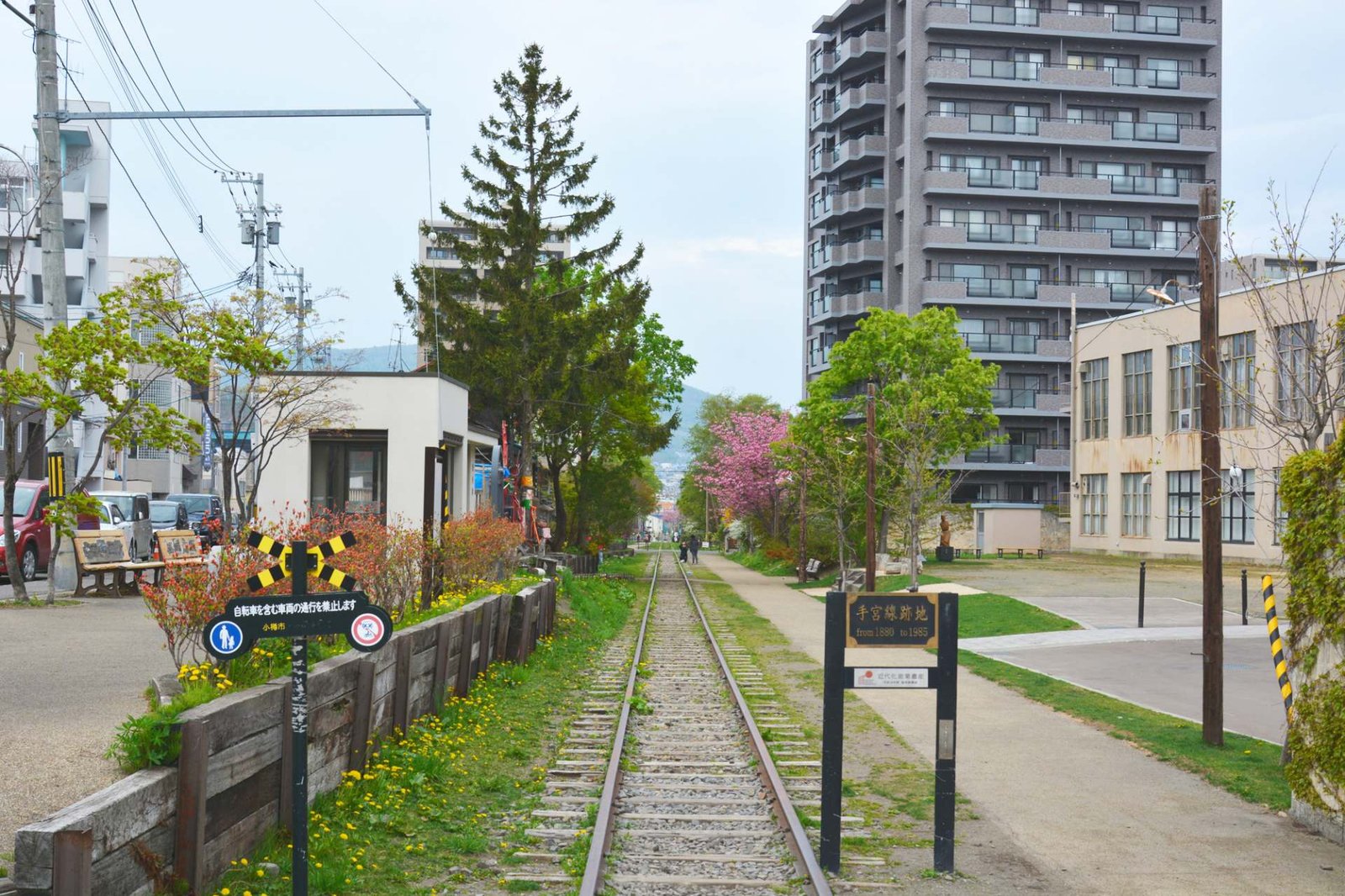
On 28 November 1880, Hokkaido’s first railway opened between Temiya, in present-day Otaru, and Sapporo, establishing a transport corridor that contributed to the island’s industrial and commercial development. The railway marked an important milestone in regional infrastructure, connecting inland areas with coastal trading facilities.
Railway Construction and Industrial Land
The government developed the Horonai Railway to transport coal from the Horonai mining area to port facilities at Temiya. According to JR Hokkaido, the full railway route to Horonai was completed on 13 November 1882, following the opening of the Temiya–Sapporo section in 1880.
The railway’s real estate significance lies in the connection between industrial land, mineral resources and maritime infrastructure. Railway construction facilitated the movement of coal towards the coast, supporting commercial activity and the development of logistics facilities.
Otaru City’s heritage account identifies the railway as an important factor in the city’s growth as a logistics centre. Its historic landscape includes warehouses, banking premises and port structures, reflecting the different types of commercial and industrial properties associated with regional economic development.
Preserving a Railway Corridor
Part of the former Temiya Line has been preserved as a pedestrian route, with railway tracks retained within the urban landscape. The conversion demonstrates how former transport infrastructure can be adapted for recreational and public use while preserving its historical identity.
The former Temiya railway facilities are also recognised as nationally important cultural property. These include structures dating from 1885 and later. Their construction dates are distinct from the opening of the original railway in 1880.
From a real estate and urban planning perspective, the preserved railway corridor illustrates the importance of adaptive reuse and heritage conservation. Protecting historic infrastructure requires consideration of both individual buildings and their relationship with surrounding urban development.
Hokkaido’s railway anniversary highlights the role of transport infrastructure in industrial land utilisation, commercial property development and urban growth. The preservation of the former railway corridor provides a lasting record of Otaru’s industrial heritage while demonstrating how historic infrastructure can continue to serve communities through new public uses.
▪️Syed Shayan Real Estate Archive
▪ Reference(s):
On This Date
ہوکائیدو کی پہلی ریلوے 28 نومبر 1880 کو تیمیا اور ساپورو کے درمیان کھولی گئی
اس ریلوے نے ہوکائیدو کی کوئلے کی صنعت اور اوتارو کی سامان کی ترسیل کے مرکز کے طور پر ترقی کے لیے ایک گزرگاہ فراہم کی۔ اس کا محفوظ راستہ بنیادی ڈھانچے، صنعتی اراضی کے استعمال اور تاریخی ورثے کے تحفظ کے باہمی تعلق کو واضح کرتا ہے۔
28 نومبر 1880 کو جاپان کے جزیرے ہوکائیدو کی پہلی ریلوے موجودہ اوتارو کے علاقے تیمیا اور ساپورو کے درمیان کھولی گئی۔ اس گزرگاہ نے جزیرے کی صنعتی اور تجارتی ترقی میں کردار ادا کیا۔ ریلوے کا آغاز علاقائی بنیادی ڈھانچے کی ترقی کا اہم مرحلہ تھا، جس نے اندرونی علاقوں کو ساحلی تجارتی سہولتوں سے جوڑا۔
ریلوے کی تعمیر اور صنعتی اراضی
حکومت نے ہورونائی ریلوے کو ہورونائی کے کان کنی والے علاقے سے کوئلہ تیمیا کی بندرگاہ تک پہنچانے کے لیے تعمیر کیا۔ جے آر ہوکائیدو کے مطابق، 1880 میں تیمیا–ساپورو سیکشن کھلنے کے بعد ہورونائی تک مکمل ریلوے راستہ 13 نومبر 1882 کو تیار ہوا۔
رئیل اسٹیٹ کے حوالے سے اس ریلوے کی اہمیت صنعتی اراضی، معدنی وسائل اور بندرگاہ کے بنیادی ڈھانچے کے باہمی تعلق میں ہے۔ ریلوے کی تعمیر نے ساحل تک کوئلے کی ترسیل آسان بنائی، جس سے تجارتی سرگرمیوں اور سامان کی نقل و حمل سے متعلق سہولتوں کی ترقی کو تقویت ملی۔
اوتارو کی شہری انتظامیہ کا تاریخی ورثے سے متعلق ریکارڈ شہر کی سامان کی ترسیل کے مرکز کے طور پر ترقی میں ریلوے کو اہم عامل قرار دیتا ہے۔ شہر کے تاریخی منظرنامے میں گودام، بینکوں کی عمارتیں اور بندرگاہ کی تعمیرات شامل ہیں، جو علاقائی معاشی ترقی سے وابستہ مختلف اقسام کی تجارتی اور صنعتی املاک کی عکاسی کرتی ہیں۔
ریلوے کی تاریخی گزرگاہ کا تحفظ
سابق تیمیا لائن کے ایک حصے کو پیدل چلنے کے راستے کے طور پر محفوظ کیا گیا ہے، جبکہ شہری منظرنامے میں ریلوے کی پٹڑیاں بھی برقرار رکھی گئی ہیں۔ یہ تبدیلی ظاہر کرتی ہے کہ ٹرانسپورٹ کے سابق بنیادی ڈھانچے کی تاریخی شناخت برقرار رکھتے ہوئے اسے تفریحی اور عوامی استعمال کے لیے ڈھالا جاسکتا ہے۔
سابق تیمیا ریلوے کی تنصیبات کو قومی اہمیت کا ثقافتی ورثہ بھی تسلیم کیا جاتا ہے۔ ان میں 1885 اور اس کے بعد تعمیر ہونے والی عمارتیں اور ڈھانچے شامل ہیں۔ ان کی تعمیر کی تاریخیں 1880 میں اصل ریلوے کے افتتاح سے الگ ہیں۔
رئیل اسٹیٹ اور شہری منصوبہ بندی کے تناظر میں یہ محفوظ گزرگاہ تاریخی ڈھانچوں کو نئے استعمال کے لیے موزوں بنانے اور ورثے کے تحفظ کی اہمیت واضح کرتی ہے۔ تاریخی بنیادی ڈھانچے کے تحفظ میں انفرادی عمارتوں کے ساتھ اردگرد کی شہری ترقی سے ان کے تعلق کو بھی مدنظر رکھنا ضروری ہے۔
ہوکائیدو کی ریلوے کی سالگرہ صنعتی اراضی کے استعمال، تجارتی املاک کی ترقی اور شہری پھیلاؤ میں ٹرانسپورٹ کے بنیادی ڈھانچے کے کردار کو اجاگر کرتی ہے۔ سابق ریلوے راستے کا تحفظ اوتارو کے صنعتی ورثے کا مستقل ریکارڈ فراہم کرتا ہے اور یہ بھی ظاہر کرتا ہے کہ تاریخی بنیادی ڈھانچہ نئے عوامی استعمال کے ذریعے مقامی آبادی کی خدمت جاری رکھ سکتا ہے۔
▪️ سید شایان ریئل اسٹیٹ آرکائیو
No comments yet. Be the first to comment!