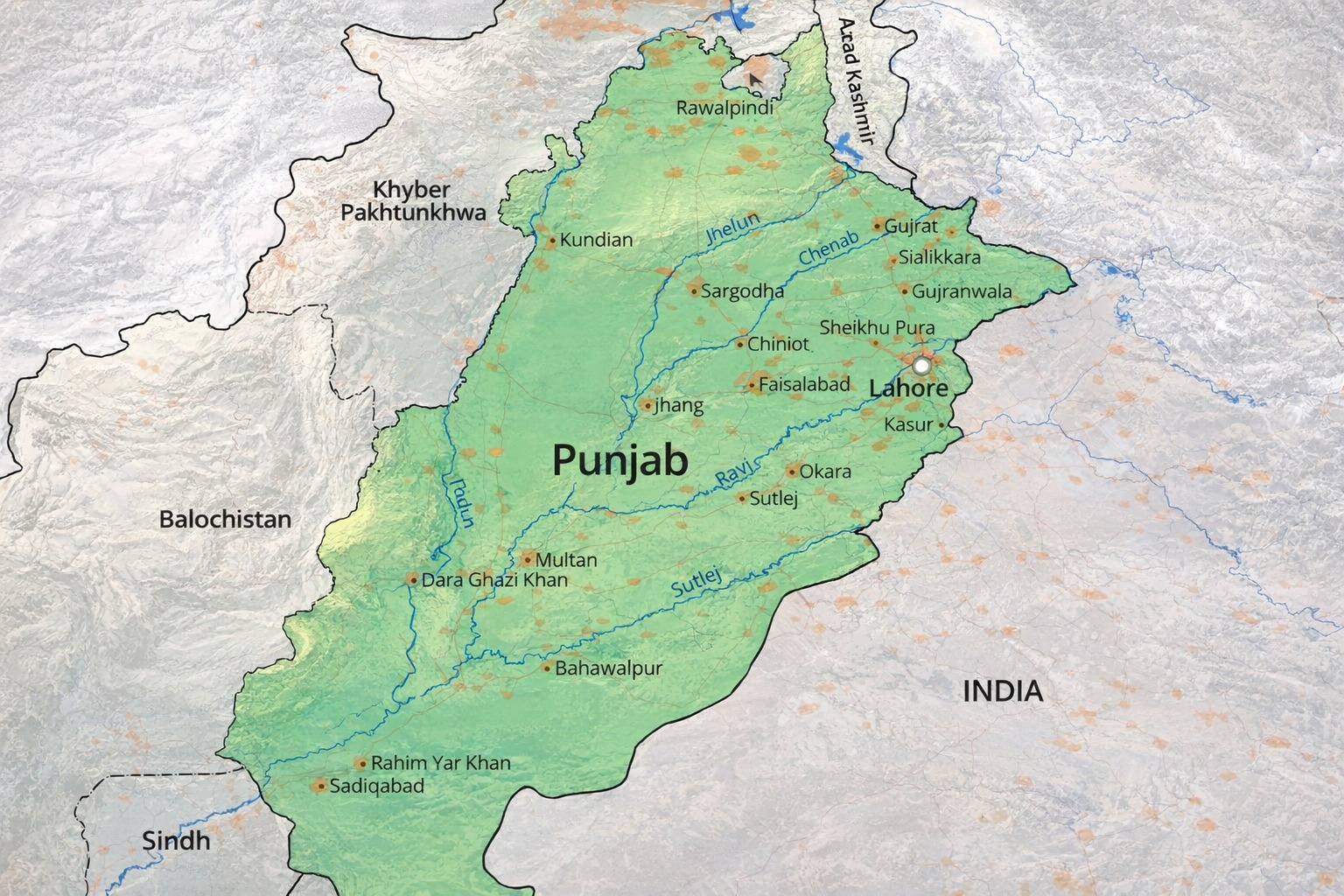
پنجاب نے ’اپنا کھیت، اپنا روزگار‘ پروگرام کا باقاعدہ آغاز کر دیا، چولستان میں 83 ہزار ایکڑ اراضی مختص
▫️More than 16,000 eligible families expected to receive five acre agricultural plots, with 10,290 Cholistan families to benefit in the first phase
▫️16 ہزار سے زائد اہل خاندانوں کو پانچ پانچ ایکڑ زرعی اراضی ملنے کی توقع، پہلے مرحلے میں 10 ہزار 290 چولستانی خاندان مستفید ہوں گے
Bahawalpur : ReNews PakistanThe Punjab government has formally launched the “Apna Khet, Apna Rozgar” programme in Cholistan, initiating the distribution...
Bahawalpur : ReNews Pakistan The Punjab government has formally launched the “Apna Khet, Apna Rozgar” programme in Cholistan, initiating the distribution of state agricultural land among eligible families as part of a major effort to expand farming activity, create livelihood opportunities and bring underutilised land into productive use. Under the programme, the provincial government has earmarked approximately 83,000 acres of agricultural land in Cholistan for distribution among eligible beneficiaries, according to the Bahawalpur commissioner. More than 16,000 families are expected to benefit from the initiative, with each eligible household receiving a five-acre agricultural plot for cultivation. The programme represents a significant land-based livelihood initiative in the Cholistan region, where access to cultivable land and financial resources remains an important factor in improving household incomes and strengthening the local agricultural economy. At the formal launch ceremony, officials handed over allotment letters to 25 successful applicants, marking the beginning of the land distribution process. According to the Cholistan Development Authority (CDA), the programme attracted considerable interest from local communities, receiving a total of 52,158 applications. Following scrutiny and verification of applicants, 27,647 applications were approved as eligible, indicating that demand for agricultural land under the programme substantially exceeds the number of plots currently available for distribution. In the first phase, the Punjab government plans to allocate agricultural land to 10,290 eligible Cholistan families. The remaining distribution is expected to proceed in accordance with the programme's implementation framework and availability of designated land. Alongside the land allocation, the provincial government is introducing a substantial financial support package aimed at helping beneficiaries convert their allotted plots into productive farmland. In collaboration with the Punjab Agriculture Department, the government will provide approximately Rs 4.25 billion in financial assistance under the scheme. Each beneficiary will be entitled to receive Rs 50,000 per acre, which can be used for preparing the allotted land, initiating cultivation and meeting other essential farming expenses. For a household receiving the standard five-acre allocation, the assistance could amount to Rs 250,000, providing initial capital to help beneficiaries begin agricultural operations. The combination of land allocation and cultivation assistance is intended to ensure that beneficiaries are not merely provided with land but also have access to the financial resources required to make their holdings productive. The initiative is expected to contribute to agricultural development in Cholistan while creating new income-generating opportunities for thousands of families dependent on farming and related rural economic activities. With 83,000 acres earmarked for distribution, more than 16,000 prospective beneficiary families and billions of rupees allocated for agricultural support, the programme could also have wider implications for land utilisation, rural employment and agricultural production across the Cholistan region.
بہاولپور | ری نیوز پاکستان پنجاب حکومت نے چولستان میں ’اپنا کھیت، اپنا روزگار‘ پروگرام کا باقاعدہ آغاز کر دیا ہے، جس کے تحت اہل خاندانوں میں سرکاری زرعی اراضی کی تقسیم شروع کر دی گئی ہے۔ اس اقدام کا مقصد زرعی سرگرمیوں کو فروغ دینا، روزگار کے نئے مواقع پیدا کرنا اور غیر استعمال شدہ اراضی کو پیداواری مقاصد کے لیے بروئے کار لانا ہے۔ بہاولپور کے کمشنر کے مطابق صوبائی حکومت نے پروگرام کے تحت چولستان میں تقریباً 83 ہزار ایکڑ زرعی اراضی اہل مستحقین میں تقسیم کرنے کے لیے مختص کی ہے۔ اس منصوبے سے 16 ہزار سے زائد خاندانوں کے مستفید ہونے کی توقع ہے، جبکہ ہر اہل خاندان کو کاشتکاری کے لیے پانچ ایکڑ زرعی اراضی فراہم کی جائے گی۔ یہ پروگرام چولستان کے خطے میں روزگار اور زرعی ترقی سے متعلق ایک اہم حکومتی اقدام قرار دیا جا رہا ہے، جہاں قابلِ کاشت اراضی اور مالی وسائل تک رسائی مقامی آبادی کی آمدن بڑھانے اور علاقائی زرعی معیشت کو مضبوط بنانے میں اہم کردار ادا کرتی ہے۔ پروگرام کی افتتاحی تقریب کے دوران حکام نے 25 کامیاب درخواست گزاروں کو الاٹمنٹ لیٹرز تقسیم کیے، جس کے ساتھ ہی اراضی کی عملی تقسیم کا آغاز ہو گیا۔ چولستان ڈویلپمنٹ اتھارٹی (سی ڈی اے) کے مطابق اس سکیم کے لیے مقامی آبادی کی جانب سے غیر معمولی دلچسپی دیکھنے میں آئی اور مجموعی طور پر 52 ہزار 158 درخواستیں موصول ہوئیں۔ درخواستوں کی جانچ پڑتال اور تصدیق کے بعد 27 ہزار 647 درخواست گزاروں کو اہل قرار دیا گیا، جس سے ظاہر ہوتا ہے کہ پروگرام کے تحت دستیاب اراضی کے مقابلے میں زرعی زمین کے حصول کی طلب کہیں زیادہ ہے۔ پہلے مرحلے میں پنجاب حکومت 10 ہزار 290 اہل چولستانی خاندانوں کو زرعی اراضی الاٹ کرے گی، جبکہ باقی مستحقین میں اراضی کی تقسیم پروگرام کے طریقہ کار اور مختص زمین کی دستیابی کے مطابق مرحلہ وار کی جائے گی۔ اراضی کی الاٹمنٹ کے ساتھ ساتھ صوبائی حکومت نے مستفید ہونے والے خاندانوں کے لیے مالی معاونت کا ایک بڑا پیکیج بھی متعارف کرایا ہے، تاکہ وہ اپنی زمین کو قابلِ کاشت بنانے اور زرعی سرگرمیاں شروع کرنے کے قابل ہو سکیں۔ پنجاب حکومت، محکمہ زراعت کے تعاون سے، اسکیم کے تحت تقریباً 4 ارب 25 کروڑ روپے کی مالی معاونت فراہم کرے گی۔ ہر مستحق خاندان کو فی ایکڑ 50 ہزار روپے دیے جائیں گے، جو زمین کی تیاری، ابتدائی کاشت اور دیگر ضروری زرعی اخراجات پورے کرنے کے لیے استعمال کیے جا سکیں گے۔ پانچ ایکڑ اراضی حاصل کرنے والے ایک خاندان کو اس حساب سے مجموعی طور پر 2 لاکھ 50 ہزار روپے تک مالی امداد مل سکتی ہے، جس سے اسے زرعی سرگرمیاں شروع کرنے کے لیے ابتدائی سرمایہ میسر آئے گا۔ اراضی کی فراہمی اور مالی معاونت کا مشترکہ مقصد یہ ہے کہ مستحق خاندانوں کو صرف زمین ہی نہ دی جائے بلکہ انہیں اپنی زمین کو پیداواری بنانے کے لیے ضروری مالی وسائل بھی فراہم کیے جائیں۔ توقع ہے کہ یہ منصوبہ چولستان میں زرعی ترقی کو فروغ دینے کے ساتھ ساتھ کاشتکاری اور اس سے منسلک شعبوں پر انحصار کرنے والے ہزاروں خاندانوں کے لیے آمدن اور روزگار کے نئے مواقع پیدا کرے گا۔ 83 ہزار ایکڑ اراضی کی تقسیم، 16 ہزار سے زائد متوقع مستفید خاندانوں اور اربوں روپے کی زرعی معاونت کے باعث یہ پروگرام چولستان میں زمین کے بہتر استعمال، دیہی روزگار اور زرعی پیداوار میں اضافے کے حوالے سے دور رس اثرات مرتب کر سکتا ہے۔
Published: August 8, 2026 at 12:41 PM
Punjab Government Approves Major Amendments to Private Housing Scheme Rules
پنجاب حکومت کی طرف سے نجی ہاؤسنگ سکیموں کے قواعد میں اہم ترامیم کی منظوری
▫️Provincial cabinet clears reforms covering digital approvals, standardised NOCs, affordable housing, registration of property dealers and stricter enforcement against illegal schemes.
▫️صوبائی کابینہ نے ڈیجیٹل منظوری، یکساں این او سی نظام، افورڈ ایبل ہاؤسنگ، پراپرٹی ڈیلرز کی رجسٹریشن اور غیر قانونی سکیموں کے خلاف سخت نفاذ سمیت اہم اصلاحات کی منظوری دے دی
Lahore | ReNews PakistanThe Punjab government has approved major amendments to the regulatory framework governing private housing schemes across the...
Lahore | ReNews Pakistan The Punjab government has approved major amendments to the regulatory framework governing private housing schemes across the province, introducing measures aimed at strengthening the approval, monitoring and regulatory process while tightening enforcement against violations. The revised framework also seeks to encourage the development of affordable housing for lower-income groups. The reforms approved by the provincial cabinet cover changes to the Punjab Development Authorities Private Housing Schemes Rules 2021 as well as the affordable housing framework administered by the Punjab Housing and Town Planning Agency (PHATA). The broader objective is to make the approval process for private housing projects simpler, more transparent and easier to monitor. One of the most significant features of the revised framework is the introduction of a digital approval system for new housing schemes. Under the system, applications and approvals required from relevant government departments will be processed through a more coordinated and transparent mechanism. The reforms also provide for the standardisation of No Objection Certificates (NOCs) required from various departments and agencies, including environmental authorities, the Irrigation Department, WASA, solid waste management bodies and agencies responsible for soil testing. The move is intended to reduce procedural differences between departments and minimise unnecessary delays in project approvals. The revised rules also include a new category for affordable housing schemes targeting lower-income groups. The measure is designed to encourage private-sector developers to undertake residential projects offering comparatively lower-cost plots or housing units. The government has also decided to strengthen implementation of a Housing Society Management System, which is expected to improve monitoring of approved schemes, their development progress and compliance with statutory obligations. The reform package also addresses the procedure for the release of mortgaged plots. In private housing schemes, certain plots are often mortgaged with the relevant development authority as a guarantee for the completion of development works and compliance with legal requirements. The revised framework seeks to provide a clearer mechanism for the release of such plots once the required conditions are fulfilled. Advertising and marketing of private housing schemes will also come under closer regulatory scrutiny. The amended framework seeks to strengthen oversight of advertisements and the sale of plots or housing units through media platforms in order to curb the promotion of unapproved projects and prevent developers from raising funds from the public without the necessary approvals. Under the Punjab Development Authorities Private Housing Schemes Rules 2021, developers are already prohibited from advertising plots or housing units without approval from the relevant authority, while development agencies are empowered to take action against schemes that violate these restrictions. The reforms also introduce a formal mechanism for the registration of property dealers. The objective is to bring individuals and businesses involved in the marketing and sale of plots and properties within a defined regulatory framework and reduce the scope for unauthorised marketing. Similarly, the rules provide a procedure for the sale or transfer of designated public sites within housing schemes, with the aim of ensuring that land reserved for public facilities remains subject to effective regulatory oversight. Greater emphasis has also been placed on post-approval monitoring of private housing schemes. The objective is to ensure that developers do not deviate from approved layout plans, infrastructure commitments, public facilities or other legal obligations after securing approval. The government has also moved to strengthen the legal mechanism for strict action against illegal development and other violations. Developers and other responsible parties found breaching the rules may face stronger enforcement measures, including penalties and legal proceedings. The reform framework also includes a formal procedure for the regularisation of certain existing or illegally developed housing schemes, allowing viable cases to be brought within the legal system after meeting prescribed requirements, while enforcement action may continue against schemes that fail to comply with regulatory conditions. These changes carry particular significance in the context of the growing problem of illegal housing schemes across Punjab. Development authorities in several cities have long been taking action against projects that begin selling plots, advertising or undertaking development work without obtaining approval from the relevant authority. PHATA’s affordable private housing framework also contains a number of measures relating to approvals and technical scrutiny. Under the existing system, project cases are examined by the relevant committee before being placed before the governing body, with mandatory documentation and technical requirements reviewed as part of the approval process. Issues such as the availability of clean water sources and wastewater management plans are also considered during scrutiny. The existing affordable housing framework also provides for the allocation of specific residential areas and housing units for lower income groups, with separate arrangements intended to facilitate access to affordable residential options for eligible households. The Punjab Housing, Urban Development and Public Health Engineering Department will oversee implementation of the reforms, while the relevant development authorities in Lahore, Faisalabad, Rawalpindi, Multan and other jurisdictions will be responsible for enforcing the amended rules within their respective areas. The government’s broader objective is to establish a regulatory system under which every stage of a private housing scheme, from initial approval to completion of development works, remains subject to effective oversight, while reducing the space available for illegal schemes and improving protection for property buyers and investors. The practical impact of the amendments will now depend on implementation. If digital approvals, standardised NOCs, property dealer registration, tighter advertising controls and stronger post-approval enforcement are effectively applied, the reforms could mark a significant regulatory shift in Punjab’s private housing market.
لاہور | ری نیوز پاکستان پنجاب حکومت نے صوبے بھر میں نجی ہاؤسنگ سکیموں کے ریگولیٹری فریم ورک میں اہم ترامیم کی منظوری دے دی ہے، جن کے تحت رہائشی منصوبوں کی منظوری، نگرانی، ضابطہ کاری اور خلاف ورزیوں کے خلاف کارروائی کے نظام کو مزید مؤثر بنایا جائے گا، جبکہ کم آمدنی والے طبقے کیلئے قابل استطاعت رہائش کے منصوبوں کی حوصلہ افزائی بھی نئے فریم ورک کا اہم حصہ ہوگی۔ صوبائی کابینہ کی منظور کردہ اصلاحات پنجاب ڈویلپمنٹ اتھارٹیز پرائیویٹ ہاؤسنگ سکیمز رولز 2021 میں تبدیلیوں کے ساتھ ساتھ پنجاب ہاؤسنگ اینڈ ٹاؤن پلاننگ ایجنسی (پھاٹا) کے افورڈ ایبل ہاؤسنگ فریم ورک سے بھی متعلق ہیں، جن کا مقصد نجی ہاؤسنگ سیکٹر میں منظوری کے عمل کو آسان، شفاف اور زیادہ قابل نگرانی بنانا ہے۔ نئے اصلاحاتی فریم ورک کی سب سے اہم تبدیلیوں میں نئی ہاؤسنگ سکیموں کیلئے ڈیجیٹل منظوری کا نظام شامل ہے۔ اس نظام کے تحت منصوبوں کی درخواستوں اور متعلقہ محکموں سے درکار منظوریوں کو زیادہ مربوط اور شفاف انداز میں پراسیس کیا جائے گا۔ اصلاحات کے تحت محکمہ ماحولیات، محکمہ آبپاشی، واسا، سالڈ ویسٹ مینجمنٹ اداروں اور مٹی کے ٹیسٹ سمیت مختلف محکموں سے حاصل کیے جانے والے این او سیز کے طریقہ کار کو یکساں اور معیاری بنانے کا بھی فیصلہ کیا گیا ہے، تاکہ مختلف اداروں کے درمیان طریقہ کار کے فرق اور غیر ضروری تاخیر کو کم کیا جا سکے۔ نئے قواعد میں کم آمدنی والے طبقات کیلئے افورڈ ایبل ہاؤسنگ سکیم کی ایک نئی کیٹیگری متعارف کرانے کی شق بھی شامل ہے۔ اس اقدام کا مقصد نجی شعبے کو ایسے رہائشی منصوبے شروع کرنے کی ترغیب دینا ہے جن میں نسبتاً کم قیمت کے پلاٹس یا رہائشی یونٹس فراہم کیے جا سکیں۔ حکومت نے ہاؤسنگ سوسائٹی مینجمنٹ سسٹم کو بھی مؤثر انداز میں نافذ کرنے کا فیصلہ کیا ہے، جس کے ذریعے منظور شدہ منصوبوں کی پیش رفت، ترقیاتی کاموں اور دیگر قانونی ذمہ داریوں کی نگرانی بہتر بنانے کی کوشش کی جائے گی۔ اصلاحاتی پیکیج میں مارگیج شدہ پلاٹس کے اجرا کے طریقہ کار کو بھی شامل کیا گیا ہے۔ ہاؤسنگ سکیموں میں بعض پلاٹس متعلقہ ڈویلپمنٹ اتھارٹی کے پاس ترقیاتی کاموں اور قانونی شرائط کی تکمیل کی ضمانت کے طور پر رہن رکھے جاتے ہیں، اور نئے فریم ورک میں ایسے پلاٹس کے اجرا کیلئے زیادہ واضح طریقہ کار فراہم کرنے کی کوشش کی گئی ہے۔ نجی ہاؤسنگ سکیموں کی تشہیر اور مارکیٹنگ بھی نئے ریگولیٹری نظام کا اہم حصہ ہے۔ قواعد کے تحت ہاؤسنگ سکیموں کے اشتہارات اور میڈیا کے ذریعے پلاٹس یا رہائشی یونٹس کی فروخت کو مزید مؤثر نگرانی کے دائرے میں لایا جائے گا، تاکہ غیر منظور شدہ منصوبوں کی تشہیر اور عوام سے سرمایہ اکٹھا کرنے کے رجحان کو روکا جا سکے۔ پنجاب ڈویلپمنٹ اتھارٹیز پرائیویٹ ہاؤسنگ سکیمز رولز 2021 کے تحت پہلے ہی کسی منصوبے کی متعلقہ اتھارٹی سے منظوری کے بغیر پلاٹس یا ہاؤسنگ یونٹس کی تشہیر کی اجازت نہیں، اور متعلقہ ترقیاتی ادارے اس پابندی کی خلاف ورزی کرنے والی سکیموں کے خلاف کارروائی کے مجاز ہیں۔ نئی اصلاحات میں پراپرٹی ڈیلرز کی رجسٹریشن کیلئے بھی باقاعدہ انتظام شامل کیا گیا ہے۔ اس اقدام کا مقصد ہاؤسنگ سکیموں میں پلاٹوں اور جائیدادوں کی مارکیٹنگ اور فروخت میں شامل افراد کو ریگولیٹری دائرے میں لانا اور غیر مجاز مارکیٹنگ کے امکانات کو کم کرنا ہے۔ اسی طرح ہاؤسنگ سکیموں میں مختص پبلک سائٹس کی فروخت یا منتقلی کیلئے بھی قواعد میں طریقہ کار شامل کیا گیا ہے، تاکہ عوامی سہولت کیلئے مختص زمین کے استعمال اور منتقلی پر مؤثر نگرانی برقرار رکھی جا سکے۔ نئے فریم ورک میں منظور شدہ ہاؤسنگ سکیموں کی بعد از منظوری مانیٹرنگ کو بھی زیادہ اہمیت دی گئی ہے۔ اس کا مقصد یہ یقینی بنانا ہے کہ سکیم کی منظوری حاصل کرنے کے بعد ڈویلپر منظور شدہ لے آؤٹ پلان، انفراسٹرکچر، سہولیات اور دیگر قانونی ذمہ داریوں سے انحراف نہ کر سکے۔ حکومت نے غیر قانونی ترقیاتی کاموں اور دیگر خلاف ورزیوں پر سخت تادیبی کارروائی کیلئے بھی قانونی میکانزم مضبوط بنانے کا فیصلہ کیا ہے۔ اس کے تحت قواعد کی خلاف ورزی کرنے والے ڈویلپرز اور دیگر ذمہ دار عناصر کے خلاف جرمانوں اور قانونی کارروائی سمیت نفاذ کے اقدامات زیادہ مؤثر کیے جائیں گے۔ اصلاحات میں پہلے سے قائم یا غیر قانونی طور پر ترقی پانے والی بعض ہاؤسنگ سکیموں کیلئے ریگولرائزیشن کا باقاعدہ طریقہ کار بھی شامل کیا گیا ہے، تاکہ قابل عمل معاملات کو قانونی تقاضے پورے کرنے کے بعد ریگولیٹری نظام میں لایا جا سکے، جبکہ ایسی سکیموں کے خلاف کارروائی جاری رکھی جا سکے جو قانونی شرائط پوری نہ کریں۔ یہ تبدیلیاں غیر قانونی ہاؤسنگ سکیموں کے بڑھتے ہوئے مسئلے کے تناظر میں خاص اہمیت رکھتی ہیں۔ پنجاب کے مختلف شہروں میں ترقیاتی ادارے طویل عرصے سے ایسی سکیموں کے خلاف کارروائی کر رہے ہیں جو متعلقہ اتھارٹی کی منظوری کے بغیر پلاٹ فروخت، تشہیر یا ترقیاتی کام شروع کر دیتی ہیں۔ پھاٹا کے قابل استطاعت نجی ہاؤسنگ فریم ورک میں بھی منظوری اور تکنیکی جانچ کیلئے متعدد اقدامات موجود ہیں۔ دستیاب قواعد کے مطابق افورڈ ایبل ہاؤسنگ منصوبوں کے کیسز کو گورننگ باڈی کے سامنے پیش کرنے سے قبل متعلقہ کمیٹی منصوبے کے لازمی دستاویزات اور دیگر شرائط کا جائزہ لیتی ہے، جبکہ صاف پانی کے ذرائع اور ویسٹ واٹر پلان جیسے معاملات بھی جانچ کا حصہ ہیں۔ پھاٹا کے موجودہ افورڈ ایبل ہاؤسنگ نظام میں کم آمدنی والے افراد کیلئے مخصوص رہائشی رقبے اور ہاؤسنگ یونٹس کی فراہمی کا تصور بھی شامل ہے، جس کے تحت اہل افراد کو قابل استطاعت رہائشی سہولیات فراہم کرنے کیلئے الگ انتظام رکھا جاتا ہے۔ پنجاب ہاؤسنگ، اربن ڈویلپمنٹ اینڈ پبلک ہیلتھ انجینئرنگ ڈیپارٹمنٹ ان اصلاحات کے نفاذ کی نگرانی کرے گا، جبکہ لاہور، فیصل آباد، راولپنڈی، ملتان اور دیگر متعلقہ ڈویلپمنٹ اتھارٹیز اپنے اپنے دائرہ اختیار میں نئے قواعد پر عملدرآمد کی ذمہ دار ہوں گی۔ حکومت کا بنیادی ہدف نجی ہاؤسنگ سکیموں کیلئے ایسا نظام قائم کرنا ہے جس میں منصوبے کی ابتدائی منظوری سے لے کر ترقیاتی کاموں کی تکمیل تک تمام مراحل قابل نگرانی ہوں، غیر قانونی سکیموں کیلئے جگہ محدود ہو اور خریداروں و سرمایہ کاروں کو نسبتاً زیادہ تحفظ حاصل ہو۔ ان ترامیم کے عملی اثرات کا انحصار اب ان کے نفاذ پر ہوگا۔ اگر ڈیجیٹل منظوری، یکساں این او سی، پراپرٹی ڈیلرز کی رجسٹریشن، اشتہارات کی نگرانی اور بعد از منظوری انفورسمنٹ مؤثر طریقے سے نافذ ہو جاتے ہیں تو یہ اصلاحات پنجاب کی نجی ہاؤسنگ مارکیٹ میں ایک نمایاں ریگولیٹری تبدیلی ثابت ہو سکتی ہیں۔
Published: August 8, 2026 at 10:05 AM
Over Half of Faisalabad’s Industrial Units Classified as High Environmental Risk
فیصل آباد کی نصف سے زائد صنعتی یونٹس شدید ماحولیاتی خطرہ قرار
▫️EPA survey finds 568 industrial units within 0.5 kilometres of residential areas, while 441 operate inside or immediately adjacent to populated neighbourhoods
▫️ای پی اے سروے کے مطابق 568 صنعتی یونٹس رہائشی علاقوں سے 0.5 کلومیٹر کے اندر قائم، جبکہ 441 یونٹس آبادی کے اندر یا بالکل متصل کام کر رہے ہیں
Faisalabad : ReNews PakistanMore than half of Faisalabad’s urban industrial units have been classified as posing a very high environmental...
Faisalabad : ReNews Pakistan More than half of Faisalabad’s urban industrial units have been classified as posing a very high environmental risk, prompting the district administration to intensify inspections and initiate action against industries operating in or near residential neighbourhoods. The findings emerged from a comprehensive multi-dimensional survey conducted by the Environmental Protection Agency (EPA) as part of the government’s broader plan to identify environmentally hazardous industries and relocate high-risk units from densely populated areas to designated industrial zones. According to the survey, major environmental and public safety risks associated with industrial activity in the city include emissions from boilers, untreated industrial wastewater, hazardous chemical use and the close proximity of factories to residential communities. The report identified 782 industrial units operating across 105 union councils of Faisalabad, collectively employing approximately 43,612 workers, highlighting both the economic significance of the sector and the scale of the challenge facing authorities seeking to address environmental and land-use violations. Of the industrial units surveyed, 568 are located within 0.5 kilometres of residential areas, while 441 units are situated inside or immediately adjacent to populated neighbourhoods, exposing nearby communities to potential air pollution, wastewater contamination and industrial safety hazards. Regulatory compliance also emerged as a major concern. The survey found that 734 industrial units were operating without obtaining a no-objection certificate (NOC) from the EPA, raising questions over environmental oversight and enforcement within the city's rapidly expanding industrial landscape. Authorities also identified 70 industrial units operating without mandatory environmental approvals or chemical licences and in violation of applicable land-use regulations. The survey recommended that these units should not be regularised because of the potential environmental and public health risks associated with their operations. Following the findings, the Industry Relocation Committee, chaired by Faisalabad Commissioner Dr Imran Hamid Sheikh, decided to begin enforcement proceedings against industrial units operating in residential areas where their activities could endanger workers and surrounding communities. Joint inspection teams comprising officials from the Environmental Protection Agency, Labour Department and Municipal Corporation have been constituted to inspect all 441 industrial units identified within urban residential areas. The teams will examine whether the industries possess the required environmental approvals and labour registrations, whether their buildings have approved plans, and whether boilers and pressure vessels comply with prescribed capacity, operational and safety standards. Initial notices will be issued to units where violations are identified, paving the way for further regulatory or enforcement action depending on the nature and severity of non-compliance. Commissioner Dr Imran Hamid Sheikh said industries operating without the necessary approvals would not be permitted to continue functioning within city limits. He stressed that protecting industrial workers and residents living around factories would remain a priority for the administration. The crackdown forms part of a broader effort to reorganise Faisalabad’s industrial footprint by gradually shifting hazardous and incompatible industrial activities away from residential communities and into properly planned industrial zones. The Industry Relocation Committee also reviewed progress on identifying suitable locations and facilitating the relocation of industries currently operating in residential areas. The initiative could have significant implications for Faisalabad’s urban planning and real estate landscape. Moving industrial operations out of residential neighbourhoods would not only reduce environmental and safety risks but could also open affected areas for more compatible residential, commercial and mixed-use development, subject to applicable land-use regulations. As one of Pakistan’s largest industrial centres, Faisalabad faces the challenge of balancing industrial growth and employment with environmental protection, public health and sustainable urban development. The latest survey provides authorities with a detailed framework for determining which industrial units can meet regulatory requirements and which may ultimately have to relocate outside densely populated parts of the city.
فیصل آباد : ری نیوز پاکستان فیصل آباد کے شہری علاقوں میں قائم نصف سے زائد صنعتی یونٹس کو انتہائی زیادہ ماحولیاتی خطرے کا حامل قرار دیا گیا ہے، جس کے بعد ضلعی انتظامیہ نے رہائشی علاقوں کے اندر یا ان کے قریب کام کرنے والی صنعتوں کے خلاف انسپیکشن اور کارروائی تیز کرنے کا فیصلہ کیا ہے۔ یہ انکشاف انوائرنمنٹل پروٹیکشن ایجنسی (ای پی اے) کی جانب سے کیے گئے ایک جامع کثیرالجہتی سروے میں سامنے آیا، جو شہر کے اندر قائم ماحول کے لیے خطرناک صنعتی یونٹس کی نشاندہی اور انہیں گنجان آباد علاقوں سے باہر مختص صنعتی زونز میں منتقل کرنے کے حکومتی منصوبے کا حصہ ہے۔ سروے کے مطابق صنعتی سرگرمیوں سے پیدا ہونے والے بڑے ماحولیاتی اور عوامی تحفظ کے خطرات میں بوائلرز سے خارج ہونے والی آلودہ گیسیں، بغیر ٹریٹمنٹ صنعتی فضلہ اور گندا پانی، خطرناک کیمیکلز کا استعمال اور فیکٹریوں کا رہائشی آبادیوں کے انتہائی قریب ہونا شامل ہیں۔ رپورٹ کے مطابق فیصل آباد کی 105 یونین کونسلز میں مجموعی طور پر 782 صنعتی یونٹس کام کر رہے ہیں، جہاں تقریباً 43 ہزار 612 افراد روزگار سے وابستہ ہیں۔ یہ اعداد و شمار ایک جانب شہر کی معیشت میں صنعتی شعبے کی اہمیت کو ظاہر کرتے ہیں، جبکہ دوسری جانب ماحولیاتی اور لینڈ یوز قوانین کی خلاف ورزیوں سے نمٹنے کے چیلنج کی شدت بھی واضح کرتے ہیں۔ سروے میں بتایا گیا کہ 568 صنعتی یونٹس رہائشی علاقوں سے 0.5 کلومیٹر کے اندر واقع ہیں، جبکہ 441 یونٹس براہ راست آبادی کے اندر یا اس کے بالکل ساتھ قائم ہیں، جس کے باعث قریبی آبادیوں کو فضائی آلودگی، صنعتی گندے پانی اور حفاظتی خطرات کا سامنا ہو سکتا ہے۔ قانونی اور ریگولیٹری تقاضوں کی خلاف ورزی بھی ایک سنگین مسئلے کے طور پر سامنے آئی۔ رپورٹ کے مطابق 734 صنعتی یونٹس انوائرنمنٹل پروٹیکشن ایجنسی سے مطلوبہ نو آبجیکشن سرٹیفکیٹ، یعنی این او سی، حاصل کیے بغیر کام کر رہے ہیں، جس سے شہر کے تیزی سے پھیلتے صنعتی ڈھانچے میں ماحولیاتی نگرانی اور قانون کے نفاذ سے متعلق سوالات اٹھتے ہیں۔ حکام نے مزید 70 صنعتی یونٹس کی نشاندہی بھی کی ہے جو لازمی ماحولیاتی منظوری، کیمیکل لائسنس اور متعلقہ لینڈ یوز قواعد کی خلاف ورزی کرتے ہوئے کام کر رہے ہیں۔ سروے میں سفارش کی گئی ہے کہ ماحولیاتی اور عوامی صحت کو لاحق ممکنہ خطرات کے باعث ایسے یونٹس کو ریگولرائز نہ کیا جائے۔ سروے کے نتائج کے بعد کمشنر فیصل آباد ڈاکٹر عمران حامد شیخ کی زیر صدارت انڈسٹری ری لوکیشن کمیٹی نے رہائشی علاقوں میں قائم ان صنعتی یونٹس کے خلاف کارروائی شروع کرنے کا فیصلہ کیا ہے جو کارکنوں اور اردگرد رہنے والی آبادی کے لیے ممکنہ خطرہ بن سکتے ہیں۔ انوائرنمنٹل پروٹیکشن ایجنسی، محکمہ لیبر اور میونسپل کارپوریشن کے افسران پر مشتمل مشترکہ انسپیکشن ٹیمیں تشکیل دے دی گئی ہیں، جو شہری رہائشی علاقوں میں قائم تمام 441 صنعتی یونٹس کا معائنہ کریں گی۔ یہ ٹیمیں صنعتی یونٹس کے ماحولیاتی اجازت ناموں، لیبر رجسٹریشن، عمارتوں کے منظور شدہ نقشوں اور بوائلرز و پریشر ویسلز کی استعداد اور حفاظتی معیار کا جائزہ لیں گی۔ خلاف ورزی سامنے آنے کی صورت میں ابتدائی طور پر متعلقہ یونٹس کو نوٹس جاری کیے جائیں گے، جس کے بعد خلاف ورزی کی نوعیت اور شدت کے مطابق مزید ریگولیٹری یا قانونی کارروائی کی جا سکے گی۔ کمشنر فیصل آباد ڈاکٹر عمران حامد شیخ نے واضح کیا ہے کہ مطلوبہ قانونی منظوریوں کے بغیر کام کرنے والے صنعتی یونٹس کو شہری حدود کے اندر کام جاری رکھنے کی اجازت نہیں دی جائے گی۔ ان کے مطابق صنعتی کارکنوں اور قریبی رہائشی آبادی کے تحفظ کو انتظامیہ کی اولین ترجیح بنایا جائے گا۔ یہ کارروائی فیصل آباد کے صنعتی ڈھانچے کو ازسرنو منظم کرنے کی وسیع تر کوششوں کا حصہ ہے، جس کے تحت خطرناک اور رہائشی علاقوں سے متصادم صنعتی سرگرمیوں کو مرحلہ وار آبادیوں سے دور باقاعدہ صنعتی زونز میں منتقل کرنے کی منصوبہ بندی کی جا رہی ہے۔ انڈسٹری ری لوکیشن کمیٹی نے رہائشی علاقوں سے صنعتوں کی منتقلی کے لیے موزوں مقامات کی نشاندہی اور اس عمل کو سہولت فراہم کرنے میں ہونے والی پیش رفت کا بھی جائزہ لیا۔ اس اقدام کے فیصل آباد کی شہری منصوبہ بندی اور رئیل اسٹیٹ مارکیٹ پر بھی اہم اثرات مرتب ہو سکتے ہیں۔ رہائشی علاقوں سے صنعتی یونٹس کی منتقلی نہ صرف ماحولیاتی اور حفاظتی خطرات کم کر سکتی ہے بلکہ متاثرہ علاقوں میں متعلقہ لینڈ یوز قوانین کے تحت زیادہ موزوں رہائشی، کمرشل اور مکسڈ یوز ترقی کے امکانات بھی پیدا ہو سکتے ہیں۔ پاکستان کے بڑے صنعتی مراکز میں شمار ہونے والے فیصل آباد کے لیے صنعتی ترقی اور روزگار کے مواقع کو ماحولیاتی تحفظ، عوامی صحت اور پائیدار شہری ترقی کے تقاضوں کے ساتھ متوازن رکھنا ایک اہم چیلنج ہے۔ تازہ سروے نے حکام کو ایک واضح فریم ورک فراہم کیا ہے جس کی بنیاد پر یہ طے کیا جا سکے گا کہ کون سے صنعتی یونٹس قانونی و yماحولیاتی معیار پر پورا اتر سکتے ہیں اور کنہیں بالآخر گنجان آباد شہری علاقوں سے منتقل کرنا ہوگا۔